Community fans have been up in arms about NBC's recent decision to put the cult-inspiring sitcom on the shelf. The fear has come out in many forms (tweets, blog posts and soothing insider reports from New York magazine and others) that the show won't return, or will return in a truncated, rag-doll version of itself in the desolate summer months. The fear isn't totally unfounded, since Community pulls in fewer viewers each week than the almost universally reviled Whitney, but NBC has remained with underperforming shows in the past.
We all have our favourite under-the-radar choices. My boyfriend got me into Community, and he rolls his eyes every time I get overly excited about it, because, as he points out, he was into it first. I retort with Fever Ray. He comes back with E.T. (my childhood had some pretty serious pop-culture gaps in it), I point out the Crumpler bag he bought after I dragged him into their store, and then we just devolve into our reptile selves and slither around for a while, dragging our pop culture discoveries hideously behind us. We all do this. I crowed for months about King Of Kong, the amazing documentary about the world of arcade video record setting: "I showed you that!" I would cackle every thing it was mentioned. It's not pretty.
Mister Boyfriend was the one who first exposed me to Community, through their second-season zombie Halloween episode. I showed up half-way through and was completely flummoxed. Watching Community requires a basic understanding of who's who: the group dynamics aren't complicated, but you need to know that Jeff Winger is a bit of a juicebox, for instance, or that there's love quandrangle stuff between Britta, Annie, Jeff and Troy, and then the jokes will start flowing. Watching a few episodes of the first season is basically all anyone really needs to understand what's going on at Greendale, but it's not like Friends: viewers who benefit most from the sitcom's delights are the ones who pay attention and watch each episode multiple times. Casual viewers are likely not to enjoy it quite as much. For a drama like 24 or Lost, networks are comfortable allowing storylines to develop week-to-week and leave late-arriving viewers out of their loop, but sitcoms are expected to be accessible to even the most unaware viewer.
The show, in the last season, has started departing from its original premise of "mismatched friend group" and started looking more at the mechanics of storytelling. It started with the genre episodes, which collected cliches from action movies, zombie flicks and spaghetti westerns and spun them out into great, glorious 22-minute mindfucks that exist, somehow simultaneously, as spoof, homage, commentary and A+ example. Characters who were still wholly themselves found themselves transposed onto other types: sweet, high-strung Annie, for example, can exist as herself, but also become a leather-shorted paintball outlaw with a heart of gold in the western episode and, a few episodes later, be a cracked-out production assistant on a commercial shoot gone horribly wrong.
I want to talk for a second about the last episode NBC aired before yanking Community from its slot. Last week focused on Dean Pelton's attempt to update his college's recruitment commercial - what starts as a simple one-day shoot turns into Heart Of Darkness. Like, literally. Abed, who barely appears onscreen in this episode, films the school's descent into madness, which involves unzipped hoodies with no undershirt, a possum, a Chinese man wearing a blond wig under a baldcap, forced hugging, mo-cap suits, and Luis Guzman. The Dean's attempt to elevate a school he barely believes in to perfection drives him insane, and Abed's camera is there to capture it.
Last week's episode was one of the most interesting things I've ever seen on TV. The Dean's character, who is usually a punchline, was awarded a gravitas that didn't feel forced - he's a lunatic, sure, but usually he's a benignity. Give the man some power (something, interestingly, he doesn't get in his role of head of the school) and his drive to make the most of it creates some very weird moments. It was so over the top, but...thinking about the Dean over the last two seasons...it's possible to see the seeds from which this madness would sprout. His perfect costumes? His excitable nature? His upbeat yet despairing attitude towards what his school can do for its students? Those are all there since day one. The Dean's craziness in this episode is what happens when you take the Dean to extremes. Not any other character. Annie's craziness looks different. So does Troy's. The writers are good to their characters, and the actors respond with performances that had me literally on the edge of my seat. I kept turning to Mister Boyfriend with my mouth agape, like, can you even believe they'd put this on TV?
I don't know what the future holds for Community. Part of me wants the show to end next season - four years of school, four years of amazing, game-changing show. Donald Glover's rap career will take off, Dan Harmon can move to Shocase to start producing whatever new craziness his brain is going to dream up, and the show can live forever on DVD. Part of me wants what Troy and Abed treat as a mantra for Cougartown - "six seasons and a movie!" Most of me just hopes that the show comes back from its hiatus refreshed and invigorated. Abed's cocked eyebrow closes the last episode; we'll be waiting, Abed, spreading the word, forcing our friends and families to watch this weird, wonderful gem. I won't even say, "I watched this first."
Saturday, November 19, 2011

Wednesday, November 16, 2011
Font-ain Of You
Good design aways freezes me cold. Nothing showy: I'm talking about the ubiquitous, IKEA-brand design that everyone has, the stuff that just sort of quietly exists in the world without call attention to itself. I loathe lucite chairs and mirrored dining room tables, just as I've grown weary of the kitschy, Mary Englebreit-looking design. Things that scream "Look at me!" give me the willies - it's the same reason I rolled my eyes at Agyness Dean and generally find the Kardashians to be a total mystery, fame-wise.
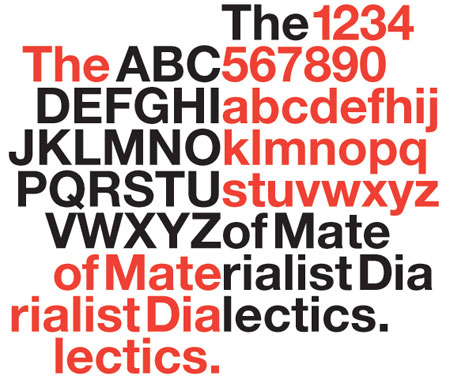
I just watched Helvetica, Gary Hustwit's debut documentary about the iconic font that's used everywhere from the New York City subway system to American Apparel signage. The doc discusses the font's visual impact - it looks so clean and modern, it inspired a whole slew of corporations in the mid-1950s and 1960s to move away from the swirly, comic-sans, exclamatory advertising style they had been working with and re-brand themselves as sleek, transparent, modern companies, in large part because the font could convey that they were sleek and modern. It sparked a movement towards clear, clean design that some designers would decry as soulless and oppressive - but we see Helvetica on the daily, because that sense of crisp professional trust is still embedded in its lines.
Font love is the natural resting place of the object fetishization that has dominated design for decades. It's hard not to get drawn in when designers talk about their favourite fonts - comic sans and papyrus seem universally reviled, but to the untrained eye, there's nothing inherently offensive in them. They might be less gorgeous than some of the more widely-used fonts, but folks also seem to love using them. Design snobs make me lose my mind, because they judge people who legitimately don't have a preference between Arial and Helvetica to be rubes, when the reality is that most untrained people a) can't tell the difference and b) don't care at all.
The design saying "form follows function" took me a long time to wrap my head around - like, form does the what now? But I finally started to get it when I read the New York Times Magazine article a few years ago called "The Road to Clarity," an insider's look at the ins and outs of designing highways signs. The author was swept up in the minutiae of the font choices, because in that case, it can be a matter of life and death: how heavy the letters are, how far apart they sit on the sign, how readable the final product really is, can all impinge on how quickly drivers can comprehend the information contained therein, and, obviously, make choices about what to do next. The function of the sign - conveying information - dictates the form of the font - being as legible as possible.
Bu why, then, isn't there just one or two fonts? After all, the information's going to come at us anyway, so why not just standardize the whole world? Make it all crisp and clear! Helvetica forever!
Looking around my room, I can see lots of fonts: the label on the Campari on the windowsill, for instance, features elegant serifs rimmed in gold and set against a navy background. The effect is one of casual, retro opulence - nothing too fancy, but especially when set against the bright ruby colour of the liqueur itself, it reads in my mind's eye as vibrantly upscale. The Coke Zero bottle beside me features a wealth of fonts and symbols: the classic swoopy font is set in red against the black background, and the bottle itself is a voluptuous curve; together, the elements work to create an image that's both trustworthy - that classic logo! - and modern. The choices that are made in product design may not save lives the same way highway signs might, but they all matter to someone. Just look at Coca-Cola's bottom line: you know those guys aren't messing with that look without some serious head-scratching.
I take a little bit of umbrage at the over-the-top opinions expressed by the designers interviewed in Helvetica - not because it's not important, but because they're such dicks about it. In the past, we were much less savvy consumers, because the products were much less intelligent in their marketing. We look at vintage buzzwords and laugh at how naked and needy they seem, and it strikes us as preposterous that anyone would fall for those snake-oil jobs. Now, though, we need to work through several layers of meaning in a design moment: images, products, packaging, and signage have all thoroughly and insidiously infiltrated our world.
There's a great shot in the movie of poster proofs hanging on a lightbox behind a designer's talking-head interview: it's the same image (crowded skateboarding park, big dusky sky, oversaturated purples, navies and electric yellows), and the time/date/place information done over and over, each proof using a different font. And each poster feels slightly different: the fatter, statelier fonts giving an ironic gravitas to the event, the electro fonts making it feel energetic, and so on. It wordlessly illustrates how important design can be, and how good design creates something you may not even be aware is orchestrated: it just leaves you feeling like you've learned something new.
I just watched Helvetica, Gary Hustwit's debut documentary about the iconic font that's used everywhere from the New York City subway system to American Apparel signage. The doc discusses the font's visual impact - it looks so clean and modern, it inspired a whole slew of corporations in the mid-1950s and 1960s to move away from the swirly, comic-sans, exclamatory advertising style they had been working with and re-brand themselves as sleek, transparent, modern companies, in large part because the font could convey that they were sleek and modern. It sparked a movement towards clear, clean design that some designers would decry as soulless and oppressive - but we see Helvetica on the daily, because that sense of crisp professional trust is still embedded in its lines.
Font love is the natural resting place of the object fetishization that has dominated design for decades. It's hard not to get drawn in when designers talk about their favourite fonts - comic sans and papyrus seem universally reviled, but to the untrained eye, there's nothing inherently offensive in them. They might be less gorgeous than some of the more widely-used fonts, but folks also seem to love using them. Design snobs make me lose my mind, because they judge people who legitimately don't have a preference between Arial and Helvetica to be rubes, when the reality is that most untrained people a) can't tell the difference and b) don't care at all.
The design saying "form follows function" took me a long time to wrap my head around - like, form does the what now? But I finally started to get it when I read the New York Times Magazine article a few years ago called "The Road to Clarity," an insider's look at the ins and outs of designing highways signs. The author was swept up in the minutiae of the font choices, because in that case, it can be a matter of life and death: how heavy the letters are, how far apart they sit on the sign, how readable the final product really is, can all impinge on how quickly drivers can comprehend the information contained therein, and, obviously, make choices about what to do next. The function of the sign - conveying information - dictates the form of the font - being as legible as possible.
Bu why, then, isn't there just one or two fonts? After all, the information's going to come at us anyway, so why not just standardize the whole world? Make it all crisp and clear! Helvetica forever!
Looking around my room, I can see lots of fonts: the label on the Campari on the windowsill, for instance, features elegant serifs rimmed in gold and set against a navy background. The effect is one of casual, retro opulence - nothing too fancy, but especially when set against the bright ruby colour of the liqueur itself, it reads in my mind's eye as vibrantly upscale. The Coke Zero bottle beside me features a wealth of fonts and symbols: the classic swoopy font is set in red against the black background, and the bottle itself is a voluptuous curve; together, the elements work to create an image that's both trustworthy - that classic logo! - and modern. The choices that are made in product design may not save lives the same way highway signs might, but they all matter to someone. Just look at Coca-Cola's bottom line: you know those guys aren't messing with that look without some serious head-scratching.
I take a little bit of umbrage at the over-the-top opinions expressed by the designers interviewed in Helvetica - not because it's not important, but because they're such dicks about it. In the past, we were much less savvy consumers, because the products were much less intelligent in their marketing. We look at vintage buzzwords and laugh at how naked and needy they seem, and it strikes us as preposterous that anyone would fall for those snake-oil jobs. Now, though, we need to work through several layers of meaning in a design moment: images, products, packaging, and signage have all thoroughly and insidiously infiltrated our world.
There's a great shot in the movie of poster proofs hanging on a lightbox behind a designer's talking-head interview: it's the same image (crowded skateboarding park, big dusky sky, oversaturated purples, navies and electric yellows), and the time/date/place information done over and over, each proof using a different font. And each poster feels slightly different: the fatter, statelier fonts giving an ironic gravitas to the event, the electro fonts making it feel energetic, and so on. It wordlessly illustrates how important design can be, and how good design creates something you may not even be aware is orchestrated: it just leaves you feeling like you've learned something new.
Saturday, November 12, 2011
Grateful Scott
I'm feeling sort of hungover from an art closing party/dance marathon last night, so I'm going to take it slow this morning. I've said before that list entries are the refuge of the lazy, but when the seasons change, and my parents have been especially kind lately, sometimes it's good for the soul to take stock of what I'm grateful for.
Which include...
...DMX. Yeah, I said it. He was never an amazing MC, and what I remember most about DMX was my bestie Rachel, in high school, being sort ironically/not ironically at all obsessed with "Party Up," his indisputably catchy anthem. There's something for everyone, including a call-and-response for everyone to meet him outside, but she was fond of spitting the song's hilarious dis "I love my baby mama, I never let her go," like, fifty times a day. Mister Boyfriend and I went to New York a few weeks ago, and after a trip to the Tenement Museum, we stopped into a hole-in-the-wall Southern barbecue joint for pulled pork sandwiches. The guys in the kitchen were blaring DMX's greatest hits. And you know what? It was all sorts of perfect.

...Yo, Is This Racist?, a new blog where people write in and ask the anonymous blogger/guru if something is racist. It's amazing: hilarious, thought-provoking, not claiming to be at any level of special expertise beyond "human being who is paying attention," and it also exposed me to the adorable video of the infant who loves Biggie Smalls. I'm sure the whole thing will either collapse in on the meta questions of racist/not-racist at some point, but for now, it's a super-fun read. Also, the swears make things really funny.
...my parents. Those two people are just outrageous: they give pep talks, they give action plans, they listen, they treat me nice with dinners out, my mom makes amazing granola and banana breakfasts, my dad brought me super thoughtful gifts from his trip to Australia, in generally they are two of the nicest, most generous, most hilarious people I could ask for in my life, and it's a marvel that I get to know them. Parents! Man!
...this bootie trend that Toronto girls are all over right now. I've been seeing all these wedge bootie-heels on girls all over town, and just drooling. The other girls all have booties made from ostrich skin and mine are felt. I don't even care. I feel fashionable. I got myself a pair of thirty-dollar heels in one of those cheap mall stores where people just try on the dresses over their sweaters because, like, whatever: the dress costs about six dollars and if it doesn't fit, you can just put it out on the side of the road for some other girl to pick up.
...my boyfriend. One of my girlfriends and I were chatting and she said, "I'm not a good communicator - I think or feel something, and then think that, if someone loves me and I drop subtle hints, they should be able to read my mind. And when that doesn't happen, I get disappointed and doubt that they love me." I was like GIRL WHAT YES VIGOROUS NODDING. Last night, two of my girls were like, "I'm moving in with my boyfriend!" and while I am super-happy for them, it's tough to avoid playing the comparison game with my own relationship, which is nowhere near being ready for cohabitation. But I love him, and when I get down on myself for not "being there yet," he's quick (and right) to point out that our time is not their time. Most of the time, he's not even a dick about it, which would be easy.
...cacti. Unless normal plants, these fuckers thrive under my half-hearted care. Makes me feel good.
Which include...
...DMX. Yeah, I said it. He was never an amazing MC, and what I remember most about DMX was my bestie Rachel, in high school, being sort ironically/not ironically at all obsessed with "Party Up," his indisputably catchy anthem. There's something for everyone, including a call-and-response for everyone to meet him outside, but she was fond of spitting the song's hilarious dis "I love my baby mama, I never let her go," like, fifty times a day. Mister Boyfriend and I went to New York a few weeks ago, and after a trip to the Tenement Museum, we stopped into a hole-in-the-wall Southern barbecue joint for pulled pork sandwiches. The guys in the kitchen were blaring DMX's greatest hits. And you know what? It was all sorts of perfect.
...Yo, Is This Racist?, a new blog where people write in and ask the anonymous blogger/guru if something is racist. It's amazing: hilarious, thought-provoking, not claiming to be at any level of special expertise beyond "human being who is paying attention," and it also exposed me to the adorable video of the infant who loves Biggie Smalls. I'm sure the whole thing will either collapse in on the meta questions of racist/not-racist at some point, but for now, it's a super-fun read. Also, the swears make things really funny.
...my parents. Those two people are just outrageous: they give pep talks, they give action plans, they listen, they treat me nice with dinners out, my mom makes amazing granola and banana breakfasts, my dad brought me super thoughtful gifts from his trip to Australia, in generally they are two of the nicest, most generous, most hilarious people I could ask for in my life, and it's a marvel that I get to know them. Parents! Man!
...this bootie trend that Toronto girls are all over right now. I've been seeing all these wedge bootie-heels on girls all over town, and just drooling. The other girls all have booties made from ostrich skin and mine are felt. I don't even care. I feel fashionable. I got myself a pair of thirty-dollar heels in one of those cheap mall stores where people just try on the dresses over their sweaters because, like, whatever: the dress costs about six dollars and if it doesn't fit, you can just put it out on the side of the road for some other girl to pick up.
...my boyfriend. One of my girlfriends and I were chatting and she said, "I'm not a good communicator - I think or feel something, and then think that, if someone loves me and I drop subtle hints, they should be able to read my mind. And when that doesn't happen, I get disappointed and doubt that they love me." I was like GIRL WHAT YES VIGOROUS NODDING. Last night, two of my girls were like, "I'm moving in with my boyfriend!" and while I am super-happy for them, it's tough to avoid playing the comparison game with my own relationship, which is nowhere near being ready for cohabitation. But I love him, and when I get down on myself for not "being there yet," he's quick (and right) to point out that our time is not their time. Most of the time, he's not even a dick about it, which would be easy.
...cacti. Unless normal plants, these fuckers thrive under my half-hearted care. Makes me feel good.
Wednesday, November 9, 2011
Scrubbing The Community Out Of Your Mother's Office
I'll admit it: I get way too involved in TV people's lives. When Michael Scott left The Office, I was like, I'll cry at that. Hell, when Jim and Pam got married in their crappy Niagara falls romp where it seemed like the only people they knew were from their workplace (which they're ambivalent towards) and Pam had bridesmaids we'd never seen before, and she was pregnant and Dwight, I think, punched one of those bridesmaid in the face by accident? I cried. I won't even pretend I didn't cry, and to make it worse, I totally watched it at the university library, standing up at a kiosk, as other non-internet chumps sighed and shifted from foot to foot. That damned Chris Brown song? Oh, brothers and sisters, I bawled.
I mean, I know what my limits are: I never asked for The Rachel, and I don't follow fictional people on Twitter. That's just weird. But I do overanalyze certain TV shows - The Office, Community, Walking Dead, How I Met Your Mother - because, hell, if I'm going to spend half an hour a week with those people for years, I might as well invest. That's more time than I spend with a lot of my friends.
My mom's the same way: she cried when Michael Scott left the office. My sister? Totally teary when Rachel got off the plane to be all, "I love you, Ross!" at the end of Friends. I am fully aware that if and when Ted Mosby finally ever meets his blasted wife, that show had better recognize that there's a mondo emotional payoff in the works. I'm talking about one of those only on TV, Kardashian-style weddings that totally undercuts Ted's profession as either an architect or a professor (why give your leading man one dorky-yet-sexy job when you can give him two?) when they marry Ted off in a gazebo at the edge of space. Let's face it, by the time young master Mosby actually finds, courts, proposes to, has the inevitable sitcom staple of cold feet regarding, and marries the mother, those kids he's talking to in the episode intros are going to be toddlers. (Actually, how awesome would that be: "Psych! I'm not your real dad! Now go get me a beer." Future Ted might be sort of a jerk.)
In the past, people had to set their VCRs and record their shows if they made real-world plans with their real-world friends. Now, with the invention of the PVR and streaming/downloading online, we can tap into any episode from any season pretty much instantaneously. Classic moments can be revisited, Halloween costumes can be impeccably replicated, and lines can be quoted from here until the end of time. If I want to binge on a particular show, I just buy the DVDs and sloth around my apartment for a few days. After a while, it's not a long shot to say that I'm emotionally invested in those character's lives. After a particularly awful few days in the summer, my boyfriend went out and bought Scrubs - like, a lot of Scrubs - which sort of helped distract and ease the pain.
In the time of the instant, constant access, I sometimes need to remember to see my real friends. Usually, when I don't see a friend for a couple weeks, it's a scheduling thing - folks are busy! We wake up at noon! Sometimes, we don't leave our neighbourhoods for months at a time. But nobody's busy 24/7, and sometimes I want a night in to get caught up with favourite characters - ones that might be called friends if they were real. Studies have shown that watching a favourite TV show often triggers the same neurochemical reaction that hanging out with real friends does: relaxation, good dopamine levels, good cheer. I'm definitely not saying that you should go out and replace your Thursday night knitting circle with a shelf full of DVDs. But the next time someone blows me off to catch up on a show, I'm going to give them a knowing smile.
I mean, I know what my limits are: I never asked for The Rachel, and I don't follow fictional people on Twitter. That's just weird. But I do overanalyze certain TV shows - The Office, Community, Walking Dead, How I Met Your Mother - because, hell, if I'm going to spend half an hour a week with those people for years, I might as well invest. That's more time than I spend with a lot of my friends.
My mom's the same way: she cried when Michael Scott left the office. My sister? Totally teary when Rachel got off the plane to be all, "I love you, Ross!" at the end of Friends. I am fully aware that if and when Ted Mosby finally ever meets his blasted wife, that show had better recognize that there's a mondo emotional payoff in the works. I'm talking about one of those only on TV, Kardashian-style weddings that totally undercuts Ted's profession as either an architect or a professor (why give your leading man one dorky-yet-sexy job when you can give him two?) when they marry Ted off in a gazebo at the edge of space. Let's face it, by the time young master Mosby actually finds, courts, proposes to, has the inevitable sitcom staple of cold feet regarding, and marries the mother, those kids he's talking to in the episode intros are going to be toddlers. (Actually, how awesome would that be: "Psych! I'm not your real dad! Now go get me a beer." Future Ted might be sort of a jerk.)
In the past, people had to set their VCRs and record their shows if they made real-world plans with their real-world friends. Now, with the invention of the PVR and streaming/downloading online, we can tap into any episode from any season pretty much instantaneously. Classic moments can be revisited, Halloween costumes can be impeccably replicated, and lines can be quoted from here until the end of time. If I want to binge on a particular show, I just buy the DVDs and sloth around my apartment for a few days. After a while, it's not a long shot to say that I'm emotionally invested in those character's lives. After a particularly awful few days in the summer, my boyfriend went out and bought Scrubs - like, a lot of Scrubs - which sort of helped distract and ease the pain.
In the time of the instant, constant access, I sometimes need to remember to see my real friends. Usually, when I don't see a friend for a couple weeks, it's a scheduling thing - folks are busy! We wake up at noon! Sometimes, we don't leave our neighbourhoods for months at a time. But nobody's busy 24/7, and sometimes I want a night in to get caught up with favourite characters - ones that might be called friends if they were real. Studies have shown that watching a favourite TV show often triggers the same neurochemical reaction that hanging out with real friends does: relaxation, good dopamine levels, good cheer. I'm definitely not saying that you should go out and replace your Thursday night knitting circle with a shelf full of DVDs. But the next time someone blows me off to catch up on a show, I'm going to give them a knowing smile.
Saturday, November 5, 2011
Comforting Food
When the weather turns cooler and the sweaters become less a fashionable choice and more a necessity for getting through a life lived in skirts, I find myself fantasizing about hearty soups, grainy breads, homemade preserves and thick, spreadable cheeses. I start buying more meat - tonight, I roasted a pork loin and threw thin slices into an Japanese-inspired noodle soup (it was delicious). A bite of ginger cookie or pumpkin hummus and I become completely undone.
Fall brings out my desire for heartiness in food. A slurpable noodle is a necessity, as is a gourmet sausage. I look forward to winter citrus and spiced Christmas cookies. Summer cooking is mostly an avoidance game - how many meals can I assemble without turning on the stove? - but in fall, I dive back into baking and cooking multi-part meals. I like turning to other cultures for inspiration; our recent trip to New York left me with a hankering for Tex-Mex and barrio-inspired dishes, up to and including fish tacos (yuk it up, you dirty minds).
Summer has a reputation as an eat-a-thon: grilled skewers and frosty brews, made roughly a thousand times better for the fact that we're eating it all outside. Canadian summers vary wildly, but Toronto runs absurdly hot in July and August, and the unrelenting heatwaves can usually only be assuaged by chilled melons, pilsners, avocado and brie sandwiches, and iced coffees. We get up early and go to bed late, and small snacks fuel the summer citizen's need for energy without greasy faces or heavy bellies.
But once that mercury drops, man, we love to just stuff ourselves silly. The kickoff is Thanksgiving - held in October, thanks, and just as full of tryptophan-laced foods like turkey and wine as its American counterpart. We do the seven-layer nacho dip, the pumpkin pie and the turkeys, but this year, we ate dinner outside on a deck overlooking Lake Huron. That's just not possible in November. This year I also attended a chosen-family dinner, with delicious green beans and carmelized root vegetables, and a bread pudding/caramel sauce combo that was so delicious that all the men in attendance, and some of the women, declared publicly that they wanted, and I'm paraphrasing here, to make respectful and tasteful love to their desserts. A few months later, we'll get Christmas, which usually incorporates multiple rounds of family visits and dinners, and the corresponding metric ton of food. Vegetarians, lock up your morals, because tonight, we eat ham.
Comfort food can be many things to many people: some folks get the warm-and-fuzzies from Kraft Dinner with tuna and tomatoes; others long for mom's trademark nachos. Depending on your background and where you grew up, you crave different things in your hour of emotional need. My dad claims to remember something called "milk soup" from his childhood, a dish of dubious authenticity. I love Japanese candies and cookies: long plane rides between Japan and Canada as a toddler left me with a strong association between Koala's March chocolate-stuffed cookies and airport adventures. If your parents are immigrants, you might have eaten goulash or tamales while your grade-school friends chowed down on broccoli or the aforementioned KD; you might have been a picky eater, so white toast and peanut butter were your self-imposed preferences.
I turn to comfort food like banana muffins or a great cookie recipe when I want to feel accomplished. I've made those recipes so many times I know them by heart. I try recreating my mom and dad's dishes when I want to feel close to them - we were a family that ate every dinner together, and often weekend breakfasts, so making up a hash of potatoes, peppers and onions in a pan brings me right back to sitting at the kitchen counter while my dad wore a yukata and a pair of moccasin slippers, unselfconsciously showcasing his globe-trotting as he made brunch for his kids and wife. There's a direct link between those moments and the weekend breakfasts I love making for me and my boyfriend. Pancakes, sausages, bacon, fresh fruit, cheese and yogurt, fried eggs and elaborate omelets all benefit from the two of us working together: he slices melons and flips omelets, I work the toaster and slice up veggies. Our harmony is something I associate with the very finest of love, since it comes from taking care of each other and ourselves. What's more comforting than that?
Fall brings out my desire for heartiness in food. A slurpable noodle is a necessity, as is a gourmet sausage. I look forward to winter citrus and spiced Christmas cookies. Summer cooking is mostly an avoidance game - how many meals can I assemble without turning on the stove? - but in fall, I dive back into baking and cooking multi-part meals. I like turning to other cultures for inspiration; our recent trip to New York left me with a hankering for Tex-Mex and barrio-inspired dishes, up to and including fish tacos (yuk it up, you dirty minds).
Summer has a reputation as an eat-a-thon: grilled skewers and frosty brews, made roughly a thousand times better for the fact that we're eating it all outside. Canadian summers vary wildly, but Toronto runs absurdly hot in July and August, and the unrelenting heatwaves can usually only be assuaged by chilled melons, pilsners, avocado and brie sandwiches, and iced coffees. We get up early and go to bed late, and small snacks fuel the summer citizen's need for energy without greasy faces or heavy bellies.
But once that mercury drops, man, we love to just stuff ourselves silly. The kickoff is Thanksgiving - held in October, thanks, and just as full of tryptophan-laced foods like turkey and wine as its American counterpart. We do the seven-layer nacho dip, the pumpkin pie and the turkeys, but this year, we ate dinner outside on a deck overlooking Lake Huron. That's just not possible in November. This year I also attended a chosen-family dinner, with delicious green beans and carmelized root vegetables, and a bread pudding/caramel sauce combo that was so delicious that all the men in attendance, and some of the women, declared publicly that they wanted, and I'm paraphrasing here, to make respectful and tasteful love to their desserts. A few months later, we'll get Christmas, which usually incorporates multiple rounds of family visits and dinners, and the corresponding metric ton of food. Vegetarians, lock up your morals, because tonight, we eat ham.
Comfort food can be many things to many people: some folks get the warm-and-fuzzies from Kraft Dinner with tuna and tomatoes; others long for mom's trademark nachos. Depending on your background and where you grew up, you crave different things in your hour of emotional need. My dad claims to remember something called "milk soup" from his childhood, a dish of dubious authenticity. I love Japanese candies and cookies: long plane rides between Japan and Canada as a toddler left me with a strong association between Koala's March chocolate-stuffed cookies and airport adventures. If your parents are immigrants, you might have eaten goulash or tamales while your grade-school friends chowed down on broccoli or the aforementioned KD; you might have been a picky eater, so white toast and peanut butter were your self-imposed preferences.
I turn to comfort food like banana muffins or a great cookie recipe when I want to feel accomplished. I've made those recipes so many times I know them by heart. I try recreating my mom and dad's dishes when I want to feel close to them - we were a family that ate every dinner together, and often weekend breakfasts, so making up a hash of potatoes, peppers and onions in a pan brings me right back to sitting at the kitchen counter while my dad wore a yukata and a pair of moccasin slippers, unselfconsciously showcasing his globe-trotting as he made brunch for his kids and wife. There's a direct link between those moments and the weekend breakfasts I love making for me and my boyfriend. Pancakes, sausages, bacon, fresh fruit, cheese and yogurt, fried eggs and elaborate omelets all benefit from the two of us working together: he slices melons and flips omelets, I work the toaster and slice up veggies. Our harmony is something I associate with the very finest of love, since it comes from taking care of each other and ourselves. What's more comforting than that?
Monday, October 31, 2011
Day Of The Dead
Dia de los muertos is happening now. The marigolds are being strewn on the graves of dead friends and family, along with their favourite sweets and drinks, as people visit cemeteries to honor their dead. Although, never having been to Mexico, it's likely that I'm making this up from details gleaned from children's television programming, tattoo art, and generally not knowing what I'm talking about. In North America, this past weekend we celebrated Halloween - a time for candy, jack-o-lanterns, and college girls dressed up as sexy versions of blue-collar professions.
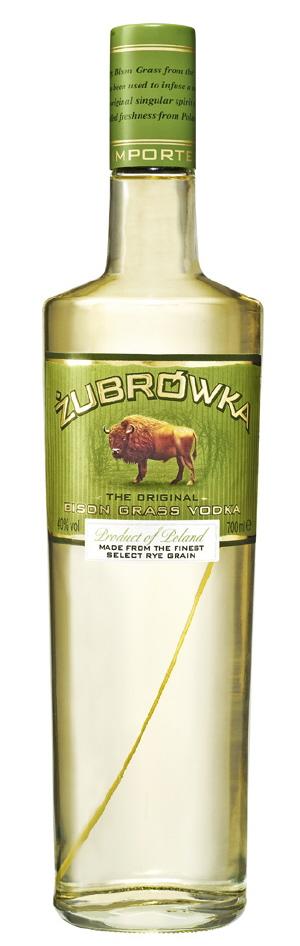
As the days get shorter and colder, we're inexorably edging towards winter. The trees this fall have been outstandingly colourful, with brisk, sunny days. Sweaters have been put back into rotation, heavy tights have been pulled on, and our flip flops have been retired in favour of boots and sneakers. It's a time of cozying up, of final patio beers, of moving parties from the porch inside to the kitchen. Picnics turn into potlucks, beach days turn into game nights, and instead of spiking our ginger beer with buffalo-grass vodka (trust me), we're stirring creme de menth into our hot chocolates (again, trust me).
Spring has rebirth symbols like whoa. The birds come back, the buds on the trees burst into fresh green leaves, and the days get longer. It also holds the most important Christian holiday, Easter, which is literally about the resurrection of Christ. If you're into that sort of thing, it's a potent idea, resonating with images about life after death and the cycles of the natural world.
But I think we also need a way to talk about death, proper-styles. Not that if-you-are-of-me-you-shalt-be-reborn stuff Christianity offers; we are, culturally, not terrific at handling the idea of death, and the reality of death in our lives. Halloween is a perversion, but not in a Christian-right sort of way; I'm not offended that we use the day to transform ourselves into scary monsters, or elements of our personalities that usually remain hidden (ergo, "the day of id," and I'm looking at you, frat boys in drag). That's pretty harmless.
Samhain, a Gaelic predecessor to Halloween, originated as a way to mark the end of harvest season, and the costumes we associate now with Halloween were used to confuse the dead as they walked the earth with us. Over time, the holiday shifted from its agrarian roots into a children's festival centering on candy and UNICEF boxes. Parents deck out front lawns with spooky accessories: ghosts hung from trees, skeletal hands wrenching out of the ground, witches, goblins, cauldrons, headstones, giant spiders, giant rats, and gourds. All the hallmarks of a haunting are there, and the entertainment industry usually puts out a scary movie or two, or at least a Halloween episode of our favourite shows, to get in on the action. Halloween is small potatoes compared to a shopping mega-festival like Christmas, but the candy windfall is an enjoyable blood-sugar spike in a rapidly darkening fall afternoon.
That shift, though, towards making it a children's holiday, has meant that the dead the day originally honoured have been swept aside. We're a more medically advanced society than the medieval Celts, but I doubt that we know any more about what goes on On The Other Side than they did. Our fascination with the undead is longstanding, but we can never quite reconcile the idea that our dead - family members and friends who have passed on - are one of the spooky Halloween Dead, out to mischief-make while the door between this world and the next is ajar.
Which brings me back to Mexico. While it sucks that they set aside only one or two days out of the year to honour the dead, it beats the hell out of our zero. Fresh mourning means that folks go through phases of honouring and ignoring their recently-passed loved ones: sometimes, you want to hang their picture, light some candles, and talk to them, even if it gives you the craziest feeling of knowing you're that talking to someone who can't hear you and hoping against hope that they're hearing you anyway. Other times? Not so much. Much like the bible's commandment to honour your parents, honouring our dead doesn't mean that there isn't resentment, anger, sadness, relief or any other complicated feelings under the veneer of love. And those feelings sometimes mellow with age, but they never go away completely.
I've seen a lot of Day of the Dead-inspired Halloween costumes this year; maybe I'm just keyed in, because that was my costume, but there were a few of us floating around. I wish there was a way to incorporate that system into our lives up here, to honour and celebrate those we've lost throughout the ages. Let's take Halloween back from the kids and invite everyone, living and dead, to the party.
As the days get shorter and colder, we're inexorably edging towards winter. The trees this fall have been outstandingly colourful, with brisk, sunny days. Sweaters have been put back into rotation, heavy tights have been pulled on, and our flip flops have been retired in favour of boots and sneakers. It's a time of cozying up, of final patio beers, of moving parties from the porch inside to the kitchen. Picnics turn into potlucks, beach days turn into game nights, and instead of spiking our ginger beer with buffalo-grass vodka (trust me), we're stirring creme de menth into our hot chocolates (again, trust me).
Spring has rebirth symbols like whoa. The birds come back, the buds on the trees burst into fresh green leaves, and the days get longer. It also holds the most important Christian holiday, Easter, which is literally about the resurrection of Christ. If you're into that sort of thing, it's a potent idea, resonating with images about life after death and the cycles of the natural world.
But I think we also need a way to talk about death, proper-styles. Not that if-you-are-of-me-you-shalt-be-reborn stuff Christianity offers; we are, culturally, not terrific at handling the idea of death, and the reality of death in our lives. Halloween is a perversion, but not in a Christian-right sort of way; I'm not offended that we use the day to transform ourselves into scary monsters, or elements of our personalities that usually remain hidden (ergo, "the day of id," and I'm looking at you, frat boys in drag). That's pretty harmless.
Samhain, a Gaelic predecessor to Halloween, originated as a way to mark the end of harvest season, and the costumes we associate now with Halloween were used to confuse the dead as they walked the earth with us. Over time, the holiday shifted from its agrarian roots into a children's festival centering on candy and UNICEF boxes. Parents deck out front lawns with spooky accessories: ghosts hung from trees, skeletal hands wrenching out of the ground, witches, goblins, cauldrons, headstones, giant spiders, giant rats, and gourds. All the hallmarks of a haunting are there, and the entertainment industry usually puts out a scary movie or two, or at least a Halloween episode of our favourite shows, to get in on the action. Halloween is small potatoes compared to a shopping mega-festival like Christmas, but the candy windfall is an enjoyable blood-sugar spike in a rapidly darkening fall afternoon.
That shift, though, towards making it a children's holiday, has meant that the dead the day originally honoured have been swept aside. We're a more medically advanced society than the medieval Celts, but I doubt that we know any more about what goes on On The Other Side than they did. Our fascination with the undead is longstanding, but we can never quite reconcile the idea that our dead - family members and friends who have passed on - are one of the spooky Halloween Dead, out to mischief-make while the door between this world and the next is ajar.
Which brings me back to Mexico. While it sucks that they set aside only one or two days out of the year to honour the dead, it beats the hell out of our zero. Fresh mourning means that folks go through phases of honouring and ignoring their recently-passed loved ones: sometimes, you want to hang their picture, light some candles, and talk to them, even if it gives you the craziest feeling of knowing you're that talking to someone who can't hear you and hoping against hope that they're hearing you anyway. Other times? Not so much. Much like the bible's commandment to honour your parents, honouring our dead doesn't mean that there isn't resentment, anger, sadness, relief or any other complicated feelings under the veneer of love. And those feelings sometimes mellow with age, but they never go away completely.
I've seen a lot of Day of the Dead-inspired Halloween costumes this year; maybe I'm just keyed in, because that was my costume, but there were a few of us floating around. I wish there was a way to incorporate that system into our lives up here, to honour and celebrate those we've lost throughout the ages. Let's take Halloween back from the kids and invite everyone, living and dead, to the party.
Saturday, October 29, 2011
The Naked Lohan
A few years ago, Vanity Fair ran their famous "It's Totally Raining Teens!" cover story, where they posed a myriad of up-and-coming young actresses - including, among others, the Olsen twins and Mandy Moore- on their slick pages. The cover girls were decked out in frilly, shiny, sparkly pink outfits, with lots of strappy metallic high heels and size-00 pants. The overall effect was one high-end cotton candy, sitting on our collective palate for a moment and then disappearing.
In July of 2003, I was 19, on the tail end of these girls, most of whom would have still been in high school had they not been professional working actresses. They were making me think weird, uncomfortable things about beauty and bodies: this was right around the time of Mary-Kate Olsen's extremely well-publicized eating disorder, and it was clear to the young women of North America that being "a girl," which was what this cover story was all about, was to be young, white, skinny, straight-haired, pretty, non-threatening, lightly comedic and highly conscious of one's image.
For the most part, the shoot inside carried the same visual aesthetic: Alexa Vega cavorted in bubbles; Kaley Cuoco, in a bikini, in a faux-tug-of-rope tableau; Solange - Beyonce's little sister - posed in a weird graffiti shot that makes it clear that VF thinks Black youth is composed primarily of hip-hop and scariness. It's all glossy and highly produced, and the colour scheme ranges from pink to magenta to fuchsia. Lots of bikinis and high heels, lots of movement and energy. The magazine highlighted a few entertainers with more serious shots: Alexis Bledel and Mandy Moore, both constructed in the accompanying interview to be more serious members of an otherwise forgettable cohort, got sultrier poses and actual dresses instead of mesh shirts and feather skirts.
Buried among the other actresses is a young Lindsay Lohan. She was redheaded, still seventeen and looking it, with a full body and a silly, endearing grin. This was before the terrific Mean Girls catapulted her into the upper echelon of young actresses, so Lohan was riding a goodwill wave from Disney remakes of The Parent Trap and the then-unreleased Freaky Friday. She doesn't even make the main cover; she's the last girl on the fold-out spread, tucked onto the very edge. Inside, she's in a flurry of feathers, casualties from a stylized pillow fight with Hilary Duff, and she's wearing a a demure tank top and PJ pants.
In the years since, she's nabbed two solo VF covers, one famously purporting an eating disorder that she vehemently denied, both styling her like a latter-day Monroe. One featured artful nudity.
For those who are unfamiliar, in the eight or so years Lohan's been on the scene, she dated Wilmer "Fez from That '70 Show" Valderrama and Samantha Ronson; she launched a line of leggings and almost killed the fashion house Ungaro; she's crashed her car more than once, been arrested more than once, been accused of doing drugs on film (!); been accused of stealing; been to rehab; been to AA; watched her divorced parents reconcile and then split again; had a much-discussed weight roller coaster ride; watched her younger sister do the same; and professionally gone from a well-respected young actress who could open a movie, to being stunt-cast as a stripper, a gun-toting vigilante nun, and a fake-pregnant administrative assistant. Lohan's ongoing legal troubles have meant that producers can't insure her, and her last starring role was in 2008. She's remained, through her probation violations, plastic surgery allegations and widely-accepted-as-true drug rumours, a tabloid fixture, but the complicated fallout from her years-long downward spiral has left us all flummoxed, and it's much easier to move on to Real Housewives, Teen Moms and other, newer, less depressing pop-culture narratives.
I still find her fascinating, because in an industry where image is everything, she's the alpha and omega of former child stars. For a while, it seemed like the Olsens were going to take that title, but MK's put on some weight and their fashion house is hella successful; meanwhile, Lohan has lost her touch. Her most recent cover story won't be for the genteel Vanity Fair, but for Playboy.
It's been a long time since Playboy represented anything more than T 'n' A, and although they have a history of running interesting journalism - "I read it for the articles, really!" - in the age of internet porn, their curated raunch is quaintly middle-America-goes-to-Vegas. In a way, Playboy represents a natural nadir for the nymphets profiled in VF so many years ago: they both utilize the same high-gloss brand of femininity, the same carefully edited image-making, the same emphasis on bodies rather than bodies of work, and the same understanding that there is precious little art involved in this star-machine.
Nudity isn't necessarily a roadblock to greatness, and actresses as diverse as Kirsten Dunst and Nicole Kidman have bared it all for a role. But Lohan's foray into porn isn't artful, no matter how coyly it's shot - it's a strictly commercial transaction, one where she's selling one of the only things she has left to offer. Lohan is likely rationalizing the decision based on what her role model Marilyn has already done. Monroe, however, posed nude in her hungry days, and while she went onto become a star not fully in charge of her own image or her own mental health, Monroe's decision to pose for Playboy launched her as a sexy but bankable young ingenue. Lohan, eight long years into the game, is just trying to stay culturally relevant. Girlfriend doesn't need a cover shoot with anyone at this point - she needs a nap, a walk in the woods, time away from the pressures of a Hollywood lifestyle that, largely because of her excesses, is no longer seen as enviable by the tabloid-reading masses. Her decision to go nude exposes nothing but the naked desire to remain a star. That ship that sailed once this actress stopped being able to book acting parts; now, she's just going to show us her private parts. Lo
In July of 2003, I was 19, on the tail end of these girls, most of whom would have still been in high school had they not been professional working actresses. They were making me think weird, uncomfortable things about beauty and bodies: this was right around the time of Mary-Kate Olsen's extremely well-publicized eating disorder, and it was clear to the young women of North America that being "a girl," which was what this cover story was all about, was to be young, white, skinny, straight-haired, pretty, non-threatening, lightly comedic and highly conscious of one's image.
For the most part, the shoot inside carried the same visual aesthetic: Alexa Vega cavorted in bubbles; Kaley Cuoco, in a bikini, in a faux-tug-of-rope tableau; Solange - Beyonce's little sister - posed in a weird graffiti shot that makes it clear that VF thinks Black youth is composed primarily of hip-hop and scariness. It's all glossy and highly produced, and the colour scheme ranges from pink to magenta to fuchsia. Lots of bikinis and high heels, lots of movement and energy. The magazine highlighted a few entertainers with more serious shots: Alexis Bledel and Mandy Moore, both constructed in the accompanying interview to be more serious members of an otherwise forgettable cohort, got sultrier poses and actual dresses instead of mesh shirts and feather skirts.
Buried among the other actresses is a young Lindsay Lohan. She was redheaded, still seventeen and looking it, with a full body and a silly, endearing grin. This was before the terrific Mean Girls catapulted her into the upper echelon of young actresses, so Lohan was riding a goodwill wave from Disney remakes of The Parent Trap and the then-unreleased Freaky Friday. She doesn't even make the main cover; she's the last girl on the fold-out spread, tucked onto the very edge. Inside, she's in a flurry of feathers, casualties from a stylized pillow fight with Hilary Duff, and she's wearing a a demure tank top and PJ pants.
In the years since, she's nabbed two solo VF covers, one famously purporting an eating disorder that she vehemently denied, both styling her like a latter-day Monroe. One featured artful nudity.
For those who are unfamiliar, in the eight or so years Lohan's been on the scene, she dated Wilmer "Fez from That '70 Show" Valderrama and Samantha Ronson; she launched a line of leggings and almost killed the fashion house Ungaro; she's crashed her car more than once, been arrested more than once, been accused of doing drugs on film (!); been accused of stealing; been to rehab; been to AA; watched her divorced parents reconcile and then split again; had a much-discussed weight roller coaster ride; watched her younger sister do the same; and professionally gone from a well-respected young actress who could open a movie, to being stunt-cast as a stripper, a gun-toting vigilante nun, and a fake-pregnant administrative assistant. Lohan's ongoing legal troubles have meant that producers can't insure her, and her last starring role was in 2008. She's remained, through her probation violations, plastic surgery allegations and widely-accepted-as-true drug rumours, a tabloid fixture, but the complicated fallout from her years-long downward spiral has left us all flummoxed, and it's much easier to move on to Real Housewives, Teen Moms and other, newer, less depressing pop-culture narratives.
I still find her fascinating, because in an industry where image is everything, she's the alpha and omega of former child stars. For a while, it seemed like the Olsens were going to take that title, but MK's put on some weight and their fashion house is hella successful; meanwhile, Lohan has lost her touch. Her most recent cover story won't be for the genteel Vanity Fair, but for Playboy.
It's been a long time since Playboy represented anything more than T 'n' A, and although they have a history of running interesting journalism - "I read it for the articles, really!" - in the age of internet porn, their curated raunch is quaintly middle-America-goes-to-Vegas. In a way, Playboy represents a natural nadir for the nymphets profiled in VF so many years ago: they both utilize the same high-gloss brand of femininity, the same carefully edited image-making, the same emphasis on bodies rather than bodies of work, and the same understanding that there is precious little art involved in this star-machine.
Nudity isn't necessarily a roadblock to greatness, and actresses as diverse as Kirsten Dunst and Nicole Kidman have bared it all for a role. But Lohan's foray into porn isn't artful, no matter how coyly it's shot - it's a strictly commercial transaction, one where she's selling one of the only things she has left to offer. Lohan is likely rationalizing the decision based on what her role model Marilyn has already done. Monroe, however, posed nude in her hungry days, and while she went onto become a star not fully in charge of her own image or her own mental health, Monroe's decision to pose for Playboy launched her as a sexy but bankable young ingenue. Lohan, eight long years into the game, is just trying to stay culturally relevant. Girlfriend doesn't need a cover shoot with anyone at this point - she needs a nap, a walk in the woods, time away from the pressures of a Hollywood lifestyle that, largely because of her excesses, is no longer seen as enviable by the tabloid-reading masses. Her decision to go nude exposes nothing but the naked desire to remain a star. That ship that sailed once this actress stopped being able to book acting parts; now, she's just going to show us her private parts. Lo
Subscribe to:
Posts (Atom)