- Travel. Okay dudes, Iceland last year changed me. I never thought I would be that girl who would browse airline fares to places like Belize or Osaka, but here we are. I want to see more of the world. And it's not that Canada's not a total babe - she is! - but I've lived in three different provinces and visited four more. I've seen plenty of America, too. I want to go somewhere where the buildings are a thousand years old, and those places just don't exist in the New World.
- Also, let's just give a warm hand to Iceland in general. I loved it there. The fresh air, the billions of sheep, the insane one-way tunnels, and the dried fish jerky at every gas station? It. Was. Amazing. I want to figure out a way to be there more, because I felt so alive, so much like myself, that it was incredible. I've been researching Icelandic novelists, keeping my eye out for job openings, and occasionally find myself scrolling through my trip photos with a wistful sigh on my lips. It's an unrequited love affair.
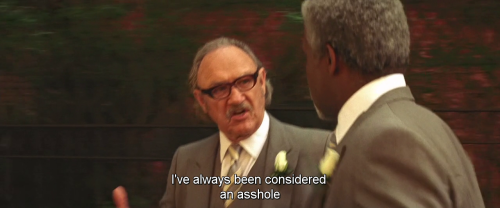
That seal-duck is not to scale. - The Royal Tenenbaums, which I've been thinking a lot about in a family sense. My boyfriend posted these amazing old-tyme-y epitaphs on his Twitter feed recently, and it reminded me strongly of Royal Tenenbaum's lying headstone, "Died Tragically Rescuing His Family From The Wreckage Of A Destroyed Sinking Battleship." And that made me remember my crush on that movie. We saw it New Year's Day, 2001, in a packed Manhattan cineplex. Our family were the only people who laughed during the post-suicide attempt hospital scenes. That movie is all about family - chosen, rejected, begrudgingly loved and lied to - and watching it with mine reminded me that I am related to lunatics and I couldn't be luckier.
Us too. - Switching up my appearance in some way. (Beyond the ongoing paleo diet, which has been a life-changer. At some point in the future, I'm going to inflict this horrible, pseudo-scientific blog post about the way I eat onto the world, and I'm going to be an asshole) I've been thinking about meaningful tattoos. I've been thinking about dying my hair. I've been thinking about my fashion sense; I finally have a closet that makes sense to me, and I love that. What does the inside-me look like, and how can I get my outsides a little closer?
- Next steps. I'm at a crossroads, professionally speaking.
Personally, I'm starting to feel the tidal pull of my 30s, and while
half of me wants to throw my hands up in the air and spent my food money
on airfare to Oslo, the other half whispers that maybe we should start
saving for a condo, or when am I going to have kids (which makes me ask,
can I even have kids? Let's all lie in bed staring at the ceiling and not blink for a while, yeah?), and maybe I should stop thinking about marriage and maybe I should stop eating meat and maybe, just maybe,
someone out there has it all figured out, and I need to find that
person and shake them by the lapels and make them tell me her secrets.
Breathe, girl. I know things will work out fine - they're working now! - and I just need to chill TFO. Also, I need to stop watching Girls and How I Met Your Mother, because those shows deal with exactly this type of thought process and they are infuriating. (And we all know the secret is healthy BMs and good friends, both of which I'm good on.) - Crafts. Holy shit, crafts. I went to the City of Craft fair with my mom recently and it was so inspiring. And not in a "I could never do that" sort of way - although the vendors were all mega-talented - but in a way that asked, if those are their niches, which ones are mine? I've always loved working with fabric, and I've always loved collage (which I think explains my unreasonable lust for Pinterest), and I tweet these little poems about food and topknots and gold, and when I do, I feel better. I want to feel better more often. So I need to inspire myself.
Friday, April 26, 2013
A Smattering of Ideas
I'm way scatter-brained and nuts right now, but I'm also feeling juicy, creatively speaking, so I just want to jot down some cool shit that I've been thinking about. Here are six ideas I've managed to hang onto for more than five seconds:


Saturday, April 20, 2013
Breasts: A Memoir in Four Parts
The following is the text of a monologue/stand-up comedy routine/story that I told as part of Pressgang Theatre's
ongoing storytelling nights. The theme of the most recent evening,
where I will be performing this story, is "Great Expectations," a collection of
funny, unusual and thought-provoking stories about how we try - and often fail to meet, or side-step entirely - the expectations we, and others, put on ourselves.
Please imagine yourself slightly drunk, in a warm room full of
well-dressed strangers, a glass of bourbon in hand.
Prologue
Ladies and gentlemen, I want you to take a good look at my tits. I know social convention frowns on this - the usual interaction is that you look, quickly and unobtrusively, and I pretend not to notice. But tonight, I want you to feast your eyes on these melons. I deliberately wore a low-cut outfit just so your job would be easier. Consider the size, where they are on my body. Food for thought: I wear a 36-E cup, which means that my breasts stand a full six inches - half a foot! - away from my ribcage. Think about the weight, how they might look in a tank top, or as I go jogging, or in an ill-fitting bathing suit. Think about what they might look like on a fourteen-year-old, or a 68-year-old. Imagine yourself as the owner-operator of this chest. Guys, I hate to break it to you, but I spend very little of my time at home playing with them. I spend far more time trying to wrestle them into some form of social acceptability. Trying not to scare the children, or make your wife uncomfortable. Imagine trying shopping for a job interview outfit, or even a goddamned button-up shirt.
Introduction
When I was eleven, Alison Riley was the first girl in our class to start developing breasts. One day, we were all the same: little flat-chested kids with long arms and straight hair. The next - bam. Puberty. Puberty was a fickle and bad-tempered mistress for me. I was slammed with all the lousy, no-good parts of puberty first: acne, weird smells, an unshakeable chubbiness that was foreign to my previously lean little-girl body. My hair changed, from stick straight blonde to something that looked like a hedge. And I became devastatingly aware of boys. Once my friends, now they were the object of crushes, which meant that I was too terrified of them to actually hold a conversation. With all that avoided eye contact and mumbling, I developed a reputation as being weird. This was not unjustified.
In the young-adult books I read, breasts were often a subject of concern. I remember reading one book that suggested that your boobs would be fully developed when you could hold a toothbrush in place under your tit; the main character replied that the only way that would happen to her is if she glued the damn thing in place with toothpaste. I came of age in a time of buxom supermodels like Cindy Crawford, and Topanga from Boy Meets World, who had an unbeatable rack.
I yearned for breasts because I thought they would be my key to the kingdom of boys. After all, boobs were sexy, and boys wanted sex; ergo, boys would want me if I had boobs. The math seemed simple enough. I imagined that breasts would give me confidence, would transform me from mousy to Madonna. Alison Riley had become the object of male fascination with her new accessories, and I vowed that I would have the same for myself.
Interlude
It might surprise the men in this audience to hear that growing tits hurts. Remember those pubescent growth spurts that would keep you awake at night, your whole body vibrating from the shock and betrayal of your next couple inches? We had the same thing, only our growth spurts were on our chests.
The process of developing breasts starts with a tenderness around the nipple. It itches, actually, but there is no way to scratch that infernal itch. Your breasts begin to swell. At this point, you spend all your waking hours trying to determine the exact moment you need a bra - too early, and you would be a poseur; too late, and you’re a floozy. Your nipples invert. You lie awake at night, trying to ignore the burn in your chest, and take a mental inventory of your clothes - which ones will hide your new assets, and which will show them off. Your parents start acting weird around you. At a certain point, you may realize that your tits aren’t going to look at all like the models in the magazines, and there’s nothing you can do about it. Remember: you are twelve years old.
The entire process take months. In the end, you have breasts. If you’re lucky, they are a pleasing size, shape, and symmetry. But, you know...probably not. They’re probably too big, too small, too low, different cup sizes, dark nipples, light nipples, and maybe even a hair or two. All your dreams come true, right?
Conclusion
I was twelve when I started developing, and instead of making me a sex symbol, I felt like I had a target painted on my chest. Attention from skeevy older boys was eagerly reciprocated, much to the disgust of my mom. I was one of a group of overdeveloped tweens, and our peers mocked up for allowing our boobs to grow so big. As if we had a choice. My female classmates gave me side-eye; the boys snapped my brastrap or “accidentally” brushed up against me on the bus. I withdrew as much as I could, but those damned things still stuck out. I was most disappointed in the reaction of the boys around me. I expected that growing a pair would render them helpless in my presence. After all, all the big-chested women in my magazines and Friday-night sitcoms had dudes falling all over them. What I failed to realize then was that the boobs had to be attached to someone with confidence. For something so soft, boobs make you tough in a hurry.
Mostly, they’re kind of a hassle. They get sore and swollen when I get my period, and they’re practically impossible to dress well at the office. I get inappropriate comments from men, and drunk women often think it’s okay to grope me - like they’re conducting a science experiment by feeling me up. Bras cost a ton of money, and no matter how hard I work out or how much I deny myself, there’s no way for me to diet into a B-cup.
The boob fairy was clearly drunk when she dropped off my rations, but that’s okay. I’m anticipating a rowdy support group someday - it’ll be me, Alison Riley, the ghost of Anna Nicole Smith, and all the big-titted ambivalent ladies I meet along the way. We’re out there, struggling in our turtlenecks and four-hook bras. We can see you staring. And one day, I swear to god, we are going to find a button-down shirt that actually fits.
Prologue
Ladies and gentlemen, I want you to take a good look at my tits. I know social convention frowns on this - the usual interaction is that you look, quickly and unobtrusively, and I pretend not to notice. But tonight, I want you to feast your eyes on these melons. I deliberately wore a low-cut outfit just so your job would be easier. Consider the size, where they are on my body. Food for thought: I wear a 36-E cup, which means that my breasts stand a full six inches - half a foot! - away from my ribcage. Think about the weight, how they might look in a tank top, or as I go jogging, or in an ill-fitting bathing suit. Think about what they might look like on a fourteen-year-old, or a 68-year-old. Imagine yourself as the owner-operator of this chest. Guys, I hate to break it to you, but I spend very little of my time at home playing with them. I spend far more time trying to wrestle them into some form of social acceptability. Trying not to scare the children, or make your wife uncomfortable. Imagine trying shopping for a job interview outfit, or even a goddamned button-up shirt.
Introduction
When I was eleven, Alison Riley was the first girl in our class to start developing breasts. One day, we were all the same: little flat-chested kids with long arms and straight hair. The next - bam. Puberty. Puberty was a fickle and bad-tempered mistress for me. I was slammed with all the lousy, no-good parts of puberty first: acne, weird smells, an unshakeable chubbiness that was foreign to my previously lean little-girl body. My hair changed, from stick straight blonde to something that looked like a hedge. And I became devastatingly aware of boys. Once my friends, now they were the object of crushes, which meant that I was too terrified of them to actually hold a conversation. With all that avoided eye contact and mumbling, I developed a reputation as being weird. This was not unjustified.
In the young-adult books I read, breasts were often a subject of concern. I remember reading one book that suggested that your boobs would be fully developed when you could hold a toothbrush in place under your tit; the main character replied that the only way that would happen to her is if she glued the damn thing in place with toothpaste. I came of age in a time of buxom supermodels like Cindy Crawford, and Topanga from Boy Meets World, who had an unbeatable rack.
I yearned for breasts because I thought they would be my key to the kingdom of boys. After all, boobs were sexy, and boys wanted sex; ergo, boys would want me if I had boobs. The math seemed simple enough. I imagined that breasts would give me confidence, would transform me from mousy to Madonna. Alison Riley had become the object of male fascination with her new accessories, and I vowed that I would have the same for myself.
Interlude
It might surprise the men in this audience to hear that growing tits hurts. Remember those pubescent growth spurts that would keep you awake at night, your whole body vibrating from the shock and betrayal of your next couple inches? We had the same thing, only our growth spurts were on our chests.
The process of developing breasts starts with a tenderness around the nipple. It itches, actually, but there is no way to scratch that infernal itch. Your breasts begin to swell. At this point, you spend all your waking hours trying to determine the exact moment you need a bra - too early, and you would be a poseur; too late, and you’re a floozy. Your nipples invert. You lie awake at night, trying to ignore the burn in your chest, and take a mental inventory of your clothes - which ones will hide your new assets, and which will show them off. Your parents start acting weird around you. At a certain point, you may realize that your tits aren’t going to look at all like the models in the magazines, and there’s nothing you can do about it. Remember: you are twelve years old.
The entire process take months. In the end, you have breasts. If you’re lucky, they are a pleasing size, shape, and symmetry. But, you know...probably not. They’re probably too big, too small, too low, different cup sizes, dark nipples, light nipples, and maybe even a hair or two. All your dreams come true, right?
Conclusion
I was twelve when I started developing, and instead of making me a sex symbol, I felt like I had a target painted on my chest. Attention from skeevy older boys was eagerly reciprocated, much to the disgust of my mom. I was one of a group of overdeveloped tweens, and our peers mocked up for allowing our boobs to grow so big. As if we had a choice. My female classmates gave me side-eye; the boys snapped my brastrap or “accidentally” brushed up against me on the bus. I withdrew as much as I could, but those damned things still stuck out. I was most disappointed in the reaction of the boys around me. I expected that growing a pair would render them helpless in my presence. After all, all the big-chested women in my magazines and Friday-night sitcoms had dudes falling all over them. What I failed to realize then was that the boobs had to be attached to someone with confidence. For something so soft, boobs make you tough in a hurry.
Mostly, they’re kind of a hassle. They get sore and swollen when I get my period, and they’re practically impossible to dress well at the office. I get inappropriate comments from men, and drunk women often think it’s okay to grope me - like they’re conducting a science experiment by feeling me up. Bras cost a ton of money, and no matter how hard I work out or how much I deny myself, there’s no way for me to diet into a B-cup.
The boob fairy was clearly drunk when she dropped off my rations, but that’s okay. I’m anticipating a rowdy support group someday - it’ll be me, Alison Riley, the ghost of Anna Nicole Smith, and all the big-titted ambivalent ladies I meet along the way. We’re out there, struggling in our turtlenecks and four-hook bras. We can see you staring. And one day, I swear to god, we are going to find a button-down shirt that actually fits.
Saturday, April 13, 2013
Carnivale of Myth
I've been watching a lot of Carnivale lately, which is one of those hobbies that has to be a short-term thing, like reading the GOOP newsletter or ice fishing. Carnivale was a 2003 HBO drama about a travelling circus and a seemingly unrelated ascendant radio preacher. Set in Dust Bowl America, the show was really about good and evil, and how we define normal, freakish, and everything in between. It's gorgeously shot, all chiaroscuo lighting and lingering shots on humanity's various malformations.
The story is too complicated to get down in a blog post, but the bones of the plot are that Michael J. Anderson (you may remember him as the dwarf from Twin Peaks)'s travelling circus picks up Ben, a young man who seems to have a healing gift despite the fact that he is often played with slack-jawed stupor by Nick Stahl; this circus has a collection of weirdos, like the family-act strippers, the bearded lady, and the conjoined twins. Some of the other circus members are decidedly more otherworldly, having been gifted with second sight and other supernatural powers. At the same time, a California preacher named Justin Crow is having visions, ones that inspire him to start a new congregation in the desert. He's a little too close with his sister (I mean, what would an HBO show even be without incest, amirite?) and seems to be able to control people with his mind, but he's a man of the cloth: he can't be all bad....except that the horrible rape scenes seem to suggest otherwise.
The show is just amazingly designed: it looks incredibly tactile, as though you can feel the fine layer of grime and blood on every surface. The downtrodden glamour of the circus is breathtaking- I want to steal the design elements for my home, except that I don't actually want to take decorating advice from blind mystics and coochie dancers. But the stripes! The feather fans! The overalls and handlebar moustaches! The caravans and painted elephants, the trousers and the bobbed hair! It strikes exactly the right balance of glamour and seediness, like stealing your dad's old leather jacket from his college bar-fight days, or drinking rum in back alleyways, or a slept-one smokey eyeshadow. It's bare red lightbulbs, falling-down thigh-high stockings, and cutting your own hair with paper scissors after three drinks.
What impresses me most about Carnivale is how adept it is at capturing how good America is at myth-building. Maybe it's a by-product of growing up in Canada, where we're mellower on chest-thumping nationalism, but I've always been fascinated by how Americans seem to be so good at creating stories about what it means to be American. There's even the phrase "American dream," which about boot-strap-yanking optimism and the chance to make yourself into a new man.
When I was a kid, I became a little obsessed with Disney. I read a couple biographies of Walt Disney, the man behind the empire (my favourite anecdote about how his Mickey Mouse persona clashed with his actual personality was that his employees would use their desk-to-desk phones to whisper Bambi's famous line "Man is in the forest," whenever Walt stomped into the building), but I was actually more interested in Disneyland and Disneyworld, the giant alternate universes Disney had built. It was fascinating to read about the design process, sure, but also to think about the narratives Disney was creating through spaces like Frontierland (a sanitized westward expansion where the Indians were dirty enemies) or Tomorrowland, where Disney presented his brand of futurism to the American public. He offered a cleaned-up past and limitless future, all meticulously maintained and complete with a snack bar.
A few years later, I became equally obsessed with Stephen King's epic novel The Stand, the 1000-page exploration of good and evil in a post-apocalyptic world. It raised questions of what I would do in that kind of situation - die? Side with the baddies? Have nutty dreams? All of the above? - but more importantly, created a whole self-contained world that was openly dealing with the questions of fate, destiny, God and whatever dark forces s/he works against. When I was fourteen, I needed that story so badly.
Mythmaking seems like it's an American pastime. Think of the phrases "in a post-9/11 world" or "remember the Alamo," or how concepts like baseball, jazz, or the Army are presented. They're particularly adept at creating good-versus-evil stories in which they are, naturally, the good guys. I think this is why conspiracy theories have always been particularly robust in America: like any country, America is an ethically ambiguous entity, but so much of the country's identity rests on being the good guy; creating an all-powerful "other" to take the fall for fucked-up shit means ordinary schmoes can distance themselves from America's bad behaviour. American is a sucker for a mascot: the Statue of Liberty, Klansmen (hey, not all mascots are good), Marilyn Monroe, the honorable soldier, the entrepreneur.
Combining all these elements into one 1930s-era stew is delicious. Carnivale is one of the slowest shows I've ever watched - even though the action is often creepy, the dialogue is obtuse and plots meander off and on the screen for a few episodes before things get to a head - which gives me plenty of time to peruse its Wikipedia articles and try to figure out all the seemingly random (so not random!) lines of dialogue and flashes of imagery. It's also fascinating to me that the show is set in a time when America was vulnerable - after the golden Jazz Age, before the revitalizing pulse of WWII - because those are the moments that seem open to creating new mythologies. We all need new stories when our old ones no longer fit; America, it seems, has always been on the lookout for both the Next Big Thing and Our Glorious Past, and this show nestles right in the middle.
I guess the only thing I can think of to compare would be, indeed, that post-9/11 world, when Americans were seen as victims and heroes. The shock of the attacks led to a moment of pure, still panic as dust and paper and bodies fell on New York City; this was followed by months and years of flag raising, xenophobic hollering, Dick Cheney, Iraq, Jon Stewart, and a thousand other mini-industries. Imagine that coming towards your family farm in 1936 in the form of a dust storm a thousand feet high. Imagine that happening for years. No wonder the producers of Carnivale were drawn to that setting. Those people must have been exhausted. They must have been ready to listen to anybody. I know I would have been.
The story is too complicated to get down in a blog post, but the bones of the plot are that Michael J. Anderson (you may remember him as the dwarf from Twin Peaks)'s travelling circus picks up Ben, a young man who seems to have a healing gift despite the fact that he is often played with slack-jawed stupor by Nick Stahl; this circus has a collection of weirdos, like the family-act strippers, the bearded lady, and the conjoined twins. Some of the other circus members are decidedly more otherworldly, having been gifted with second sight and other supernatural powers. At the same time, a California preacher named Justin Crow is having visions, ones that inspire him to start a new congregation in the desert. He's a little too close with his sister (I mean, what would an HBO show even be without incest, amirite?) and seems to be able to control people with his mind, but he's a man of the cloth: he can't be all bad....except that the horrible rape scenes seem to suggest otherwise.
The show is just amazingly designed: it looks incredibly tactile, as though you can feel the fine layer of grime and blood on every surface. The downtrodden glamour of the circus is breathtaking- I want to steal the design elements for my home, except that I don't actually want to take decorating advice from blind mystics and coochie dancers. But the stripes! The feather fans! The overalls and handlebar moustaches! The caravans and painted elephants, the trousers and the bobbed hair! It strikes exactly the right balance of glamour and seediness, like stealing your dad's old leather jacket from his college bar-fight days, or drinking rum in back alleyways, or a slept-one smokey eyeshadow. It's bare red lightbulbs, falling-down thigh-high stockings, and cutting your own hair with paper scissors after three drinks.
What impresses me most about Carnivale is how adept it is at capturing how good America is at myth-building. Maybe it's a by-product of growing up in Canada, where we're mellower on chest-thumping nationalism, but I've always been fascinated by how Americans seem to be so good at creating stories about what it means to be American. There's even the phrase "American dream," which about boot-strap-yanking optimism and the chance to make yourself into a new man.
When I was a kid, I became a little obsessed with Disney. I read a couple biographies of Walt Disney, the man behind the empire (my favourite anecdote about how his Mickey Mouse persona clashed with his actual personality was that his employees would use their desk-to-desk phones to whisper Bambi's famous line "Man is in the forest," whenever Walt stomped into the building), but I was actually more interested in Disneyland and Disneyworld, the giant alternate universes Disney had built. It was fascinating to read about the design process, sure, but also to think about the narratives Disney was creating through spaces like Frontierland (a sanitized westward expansion where the Indians were dirty enemies) or Tomorrowland, where Disney presented his brand of futurism to the American public. He offered a cleaned-up past and limitless future, all meticulously maintained and complete with a snack bar.
A few years later, I became equally obsessed with Stephen King's epic novel The Stand, the 1000-page exploration of good and evil in a post-apocalyptic world. It raised questions of what I would do in that kind of situation - die? Side with the baddies? Have nutty dreams? All of the above? - but more importantly, created a whole self-contained world that was openly dealing with the questions of fate, destiny, God and whatever dark forces s/he works against. When I was fourteen, I needed that story so badly.
Mythmaking seems like it's an American pastime. Think of the phrases "in a post-9/11 world" or "remember the Alamo," or how concepts like baseball, jazz, or the Army are presented. They're particularly adept at creating good-versus-evil stories in which they are, naturally, the good guys. I think this is why conspiracy theories have always been particularly robust in America: like any country, America is an ethically ambiguous entity, but so much of the country's identity rests on being the good guy; creating an all-powerful "other" to take the fall for fucked-up shit means ordinary schmoes can distance themselves from America's bad behaviour. American is a sucker for a mascot: the Statue of Liberty, Klansmen (hey, not all mascots are good), Marilyn Monroe, the honorable soldier, the entrepreneur.
Combining all these elements into one 1930s-era stew is delicious. Carnivale is one of the slowest shows I've ever watched - even though the action is often creepy, the dialogue is obtuse and plots meander off and on the screen for a few episodes before things get to a head - which gives me plenty of time to peruse its Wikipedia articles and try to figure out all the seemingly random (so not random!) lines of dialogue and flashes of imagery. It's also fascinating to me that the show is set in a time when America was vulnerable - after the golden Jazz Age, before the revitalizing pulse of WWII - because those are the moments that seem open to creating new mythologies. We all need new stories when our old ones no longer fit; America, it seems, has always been on the lookout for both the Next Big Thing and Our Glorious Past, and this show nestles right in the middle.
I guess the only thing I can think of to compare would be, indeed, that post-9/11 world, when Americans were seen as victims and heroes. The shock of the attacks led to a moment of pure, still panic as dust and paper and bodies fell on New York City; this was followed by months and years of flag raising, xenophobic hollering, Dick Cheney, Iraq, Jon Stewart, and a thousand other mini-industries. Imagine that coming towards your family farm in 1936 in the form of a dust storm a thousand feet high. Imagine that happening for years. No wonder the producers of Carnivale were drawn to that setting. Those people must have been exhausted. They must have been ready to listen to anybody. I know I would have been.
Thursday, April 4, 2013
Red Pill, Blue Pill
I re-watched The Matrix a few weeks ago (partially inspired by my buddy Erika, who posted her own thoughts about revisiting the films), and much to my delight, the first movie has aged relatively well. I remember the first time I saw it: I was about 16 years old, and I watched the whole thing open-mouthed and in awe. When it was over, I rewound the tape (yes, Virginia, there was a time before DVDs, and, parenthetically, I am old), and I watched it again, this time standing right beside the TV. Every moment with Trinity in her slick PVC outfits, Neo's newfound kung fu skills, and Agent Smith's deliberate, creepy drawl, made me want more.
I had been growing out of the Disney/Pixar stable for a long while, but the omnipresent Drew Barrymore movies that were coming out at that time didn't speak to me - something about the desire to settle down with a nice boy while working as like, a lady-reporter or an inept flower arranger set my teeth on edge. I was drawn to other types of movies, like Jawbreaker, a glossy paean to the dark side of teen girls that was set-designed to within an inch of its life, or Galaxy Quest, a winking, absurd take on sci-fi TV tropes with a perfect cast, or Requiem for a Dream, which is the most brutal anti-drug PSA ever made. Thanks but no thanks, Drew.
Of the dozens of movies that came out during the last couple years I was in high school, none could hold a candle to my dual obsessions of The Matrix and Fight Club. I had read the Chuck Palahniuk book in 1998, and watching Fight Club a few years later - again, on VHS, because my tiny town hadn't screened the flick - was an awakening. The movie was dark, funny, violent, sexy, and totally campy. Brad Pitt in a low-slung white suit, hand-fucking Helena Bonham Carter with black rubber gloves? Hello, lovers. I remember the boys I ran with at that time starting their own fight club, as many boys of that era did, and breaking the first rule of fight club when they bragged about their bruised knuckles. It was a sexual awakening that was inextricably twined with violence: before Fight Club, before The Matrix, I had never considered that violence could be sexualized. Now I did.
That realization has filtered through to unexpected places in my life: fashion, for instance, where I strive to look ass-kicking-slash-sexy. Or music, where a drum machine will always win in a fight against a guitar. I admire women who stand for themselves,, who can rip off a one-liner and ride a motorcycle. And while I don't think real-life violence is sexy, sometimes it's okay in the movies, especially when it's shot by the Wachowskis or David Fincher. I like art (and yeah, Hollywood movies are sometimes art) that investigates the edges of society and its expectations, as both The Matrix and Fight Club do. In fact, one of the sexiest things about those both those movies is that they explore what happens when you leave the confines of your cushy life and plunge into something else. I loved the way both those movies looked, and their own wholly developed aesthetic managed to underscore their contents. That was also sexy: being able to read movies on more than one level, which is a trip when you're 16.
Most of all, those movies were exciting. They opened up new ways of telling stories, and new ways of talking about those stories. The Matrix spawned a couple sequels that decreased in quality with every installation (eschewing the sparer, highly stylized approach of the original, the third chapter was a brawny shoot-'em-up with laughably on-the-nose symbolism), but it also produced The Animatrix, a collage of short animated films, each with a different style and subject matter, that explored the worlds both in and out of the Matrix. It exists in this neat little uncategorized space that isn't quite film and isn't quite commercial; instead, it's just a thought experiment, another way of storytelling. Fight Club also existed in this weird meta-space: in creating their own clubs, those boys inserted themselves into that story. A lot of young men could identify with the characters in the movie; in some ways, they sort of became like them.
I loved going back and recapturing some of that energy. I'm older now, a little bit inured to the holy-shit factor of movies, but I can remember when I wasn't. I can remember when movies taught me something about myself, and my place in the world, and how I might want to change that place. That was genuinely exciting, and even if I can't live there anymore, it's always fun to visit.
I had been growing out of the Disney/Pixar stable for a long while, but the omnipresent Drew Barrymore movies that were coming out at that time didn't speak to me - something about the desire to settle down with a nice boy while working as like, a lady-reporter or an inept flower arranger set my teeth on edge. I was drawn to other types of movies, like Jawbreaker, a glossy paean to the dark side of teen girls that was set-designed to within an inch of its life, or Galaxy Quest, a winking, absurd take on sci-fi TV tropes with a perfect cast, or Requiem for a Dream, which is the most brutal anti-drug PSA ever made. Thanks but no thanks, Drew.
Of the dozens of movies that came out during the last couple years I was in high school, none could hold a candle to my dual obsessions of The Matrix and Fight Club. I had read the Chuck Palahniuk book in 1998, and watching Fight Club a few years later - again, on VHS, because my tiny town hadn't screened the flick - was an awakening. The movie was dark, funny, violent, sexy, and totally campy. Brad Pitt in a low-slung white suit, hand-fucking Helena Bonham Carter with black rubber gloves? Hello, lovers. I remember the boys I ran with at that time starting their own fight club, as many boys of that era did, and breaking the first rule of fight club when they bragged about their bruised knuckles. It was a sexual awakening that was inextricably twined with violence: before Fight Club, before The Matrix, I had never considered that violence could be sexualized. Now I did.
That realization has filtered through to unexpected places in my life: fashion, for instance, where I strive to look ass-kicking-slash-sexy. Or music, where a drum machine will always win in a fight against a guitar. I admire women who stand for themselves,, who can rip off a one-liner and ride a motorcycle. And while I don't think real-life violence is sexy, sometimes it's okay in the movies, especially when it's shot by the Wachowskis or David Fincher. I like art (and yeah, Hollywood movies are sometimes art) that investigates the edges of society and its expectations, as both The Matrix and Fight Club do. In fact, one of the sexiest things about those both those movies is that they explore what happens when you leave the confines of your cushy life and plunge into something else. I loved the way both those movies looked, and their own wholly developed aesthetic managed to underscore their contents. That was also sexy: being able to read movies on more than one level, which is a trip when you're 16.
Most of all, those movies were exciting. They opened up new ways of telling stories, and new ways of talking about those stories. The Matrix spawned a couple sequels that decreased in quality with every installation (eschewing the sparer, highly stylized approach of the original, the third chapter was a brawny shoot-'em-up with laughably on-the-nose symbolism), but it also produced The Animatrix, a collage of short animated films, each with a different style and subject matter, that explored the worlds both in and out of the Matrix. It exists in this neat little uncategorized space that isn't quite film and isn't quite commercial; instead, it's just a thought experiment, another way of storytelling. Fight Club also existed in this weird meta-space: in creating their own clubs, those boys inserted themselves into that story. A lot of young men could identify with the characters in the movie; in some ways, they sort of became like them.
I loved going back and recapturing some of that energy. I'm older now, a little bit inured to the holy-shit factor of movies, but I can remember when I wasn't. I can remember when movies taught me something about myself, and my place in the world, and how I might want to change that place. That was genuinely exciting, and even if I can't live there anymore, it's always fun to visit.
Friday, March 29, 2013
Girls and New Girls
In the throes of funemployment, I've been binge-watching TV.
FYI, in case you missed it, binge-watching is the way we watch TV now. We download seasons, we watch 'em on Netflix, we buy them on DVD, and then we sit down and watch seven seasons of The West Wing in a row. This isn't really as crazy as it sounds, unless you're watching network dramas, since a season of HBO sitcom clocks in at about ten hours and a full season of a network sitcom costs you about eight; pay-cable seasons of dramas usually run about ten to fifteen hours. Even if you're being judicious and only watching an hour a day - peanuts, I tell you! - you can burn through a quality season in less than a week.
I did this a few months ago with How I Met Your Mother, which, even under the febrile influence of influenza, turned out to be a mistake. Recently, I've been working through HBO's Girls and network sitcom New Girl, both of which reside in a pop-culture place where your friends might watch it, and they might talk about it at parties, but it's not something that your mom will tune in for. Girls has the advantage here - consistently buzzy, the show is HBO (instant cachet), with controversial storylines crafted by high-profile writing ingenues. But I'm going to make the case for New Girls being the stronger of the two shows, even as they cover similar ground.
At the beginning of season two, New Girl shifted into hashtag-OWS territory: Jess lost her job due to downsizing, and her only professional options seemed to be humiliating gigs at places like the amazingly-named Casserole Shanty. Jess (Zooey Deschanel) was the series's initial draw - a genuine movie star, slumming for network TV! - but the show has always been best as an ensemble. Max Greenfield's Schmidt was last season's breakout star, but New Girl has resisted the urge to Fonzie-ize him; instead, the four roommates have found a lovely balance. I especially love that the criminally underutilized Winston has become the show's arched eyebrow of grounded real-talk in the face of Nick's "get off my lawn" crankiness, Schmidt's cartoonish douchery, and Jess's big-eyed Bambi act.
Where HIMYM's comedy often skews a little soft by working on a character's daddy issues, say, before a punchline, New Girl is nimbler. The recent death of Nick's dad conjured up a nice blend of wet eyes and snorts: the roommates, having just huffed helium balloons, comfort Nick in his loss with the squeaky-yet-earnest voices of cartoon characters. The nice thing is that the moment is completely in character for everyone: Nick, practically swatting his roomies away, and the other three surrounding him Mickey Mouse condolences.
The show is bright, quickly plotted without suffering from convolutions. Deschanel's "adorkability" has been mitigated against everyone else's character nuances, and their chemistry together is palpable. New Girl's aesthetic is very blue-sky, very Portland-vintage-sweater. Everyone's hair is shiny. Even the hobos demand a 2% latte. And it's a pleasure watching the characters stumble through their late twenties jobs: Schmidt is successful, Winston is ascendant, Jess took a tumble, and Nick can barely get out of his Lay-Z-Boy. I like that the show ventures outside the loft to their workplaces; that we get shown, not told, about how a sticky job interview went down or how a promotion was earned.
Which brings me to Girls. I was chatting recently with a smart friend, who pointed out that, even if the popular conception is that there's only a degree or two of difference between Lena Dunham and Hannah, the character she plays on TV, there is at least one important divergence: unlike Hannah, Dunham has never been the kind of girl to fumble her professional game. At the age of 26, she's writing, producing, directing, and starring in a highly-acclaimed show on a well-respected network. She has a book deal worth millions. Girlfriend has it figure out.
Girls is one of those shows that's tough to watch impassively. The characters often do unlikable things, and while I can handle a despicable character or six in a show, I do enjoy having at least one person to root for. Ostensibly, that should be Hannah: she's the center of the show, the sun around which the other characters turn. But Hannah, as it turns out, is deeply banal, incredibly trite, and militant about how much emotional work she's doing even as she remains a little girl.
One of the show's more controversial second-season episodes revolved around Hannah's weekend-long encounter with a handsome older doctor. The half-hour episode felt like a play: Hannah meets her tryst when she confesses to dumping her garbage in his cans, and instead of smiling tightly and closing the door in her face, he reciprocates her kiss. Critics of the episode felt that it was wish fulfillment (Dunham may be a genius [or not], but her soft body type is rarely seen on TV), that Hannah didn't "deserve" the recently-separated doctor's attention, and that he was too good looking for Hannah.
To which I reply: shut up, haters, because I've had weekend love affairs with men who are much better looking than I am, and also slummed it with amazing, if slightly odd-looking, compatriots. I had no issues with the doctor's interest in her. But at the end of the episode, after a fainting spell in his steamroom (!!), Hannah realizes, and subsequently confesses in a squirm-inducing monologue, that all she wanted all along is to be loved and feel safe. After a few years of searching out experiences like "having someone punch me in the chest, and then come on the spot they punched me," Hannah recognizes that it feels nice to feel safe. She feels that she is broken, that she lies, and that she seeks out pain, and that seeking haven is shameful, even as she craves it. .
And this is such a snore. Literally every young person goes through a phase of questioning their worth; rarely do we have this presented in neon lights. Hannah's panic over normalcy might be frightening or amusing for people who are far enough away from that feeling, but for those of us who were in our mid-twenties only a couple years ago, my response is, Girl, please. You ain't nothing special. Dunham herself has proved special, but Hanna has yet to do anything of note. And so her multi-season arc of being insufferable as she :finds herself" or whatever young artists do, is unearned. All I'm doing is watching some girl slam against the walls as she figures out what she's supposed to do with her life, and I can do that for free at home.
One the whole, I believe that New Girl does a better job of being a TV show. It's an ensemble where the different characters hang together; this season on Girls has felt very fractured as the group splintered. It's a comedy, with definite beats and jokes and call-backs and flash-forwards; Girls, while funny, isn't LOL-worthy. There's no doubt that the characters on Girls are changing, but are they evolving or regressing? I guess the litmus test is, would I want to hang out with these people? After all, that's what watching a show is: hanging out, week after week, getting into their lives. Good TV makes you wish you were neighbours in real life, which is how I feel about the New Girl gang. But I think I would roll my eyes at Hannah and her Girls, because they need a quick shake and a stern talk, not season after season of it's-all-so-complicated drivel.
FYI, in case you missed it, binge-watching is the way we watch TV now. We download seasons, we watch 'em on Netflix, we buy them on DVD, and then we sit down and watch seven seasons of The West Wing in a row. This isn't really as crazy as it sounds, unless you're watching network dramas, since a season of HBO sitcom clocks in at about ten hours and a full season of a network sitcom costs you about eight; pay-cable seasons of dramas usually run about ten to fifteen hours. Even if you're being judicious and only watching an hour a day - peanuts, I tell you! - you can burn through a quality season in less than a week.
I did this a few months ago with How I Met Your Mother, which, even under the febrile influence of influenza, turned out to be a mistake. Recently, I've been working through HBO's Girls and network sitcom New Girl, both of which reside in a pop-culture place where your friends might watch it, and they might talk about it at parties, but it's not something that your mom will tune in for. Girls has the advantage here - consistently buzzy, the show is HBO (instant cachet), with controversial storylines crafted by high-profile writing ingenues. But I'm going to make the case for New Girls being the stronger of the two shows, even as they cover similar ground.
At the beginning of season two, New Girl shifted into hashtag-OWS territory: Jess lost her job due to downsizing, and her only professional options seemed to be humiliating gigs at places like the amazingly-named Casserole Shanty. Jess (Zooey Deschanel) was the series's initial draw - a genuine movie star, slumming for network TV! - but the show has always been best as an ensemble. Max Greenfield's Schmidt was last season's breakout star, but New Girl has resisted the urge to Fonzie-ize him; instead, the four roommates have found a lovely balance. I especially love that the criminally underutilized Winston has become the show's arched eyebrow of grounded real-talk in the face of Nick's "get off my lawn" crankiness, Schmidt's cartoonish douchery, and Jess's big-eyed Bambi act.
Where HIMYM's comedy often skews a little soft by working on a character's daddy issues, say, before a punchline, New Girl is nimbler. The recent death of Nick's dad conjured up a nice blend of wet eyes and snorts: the roommates, having just huffed helium balloons, comfort Nick in his loss with the squeaky-yet-earnest voices of cartoon characters. The nice thing is that the moment is completely in character for everyone: Nick, practically swatting his roomies away, and the other three surrounding him Mickey Mouse condolences.
The show is bright, quickly plotted without suffering from convolutions. Deschanel's "adorkability" has been mitigated against everyone else's character nuances, and their chemistry together is palpable. New Girl's aesthetic is very blue-sky, very Portland-vintage-sweater. Everyone's hair is shiny. Even the hobos demand a 2% latte. And it's a pleasure watching the characters stumble through their late twenties jobs: Schmidt is successful, Winston is ascendant, Jess took a tumble, and Nick can barely get out of his Lay-Z-Boy. I like that the show ventures outside the loft to their workplaces; that we get shown, not told, about how a sticky job interview went down or how a promotion was earned.
Which brings me to Girls. I was chatting recently with a smart friend, who pointed out that, even if the popular conception is that there's only a degree or two of difference between Lena Dunham and Hannah, the character she plays on TV, there is at least one important divergence: unlike Hannah, Dunham has never been the kind of girl to fumble her professional game. At the age of 26, she's writing, producing, directing, and starring in a highly-acclaimed show on a well-respected network. She has a book deal worth millions. Girlfriend has it figure out.
Girls is one of those shows that's tough to watch impassively. The characters often do unlikable things, and while I can handle a despicable character or six in a show, I do enjoy having at least one person to root for. Ostensibly, that should be Hannah: she's the center of the show, the sun around which the other characters turn. But Hannah, as it turns out, is deeply banal, incredibly trite, and militant about how much emotional work she's doing even as she remains a little girl.
One of the show's more controversial second-season episodes revolved around Hannah's weekend-long encounter with a handsome older doctor. The half-hour episode felt like a play: Hannah meets her tryst when she confesses to dumping her garbage in his cans, and instead of smiling tightly and closing the door in her face, he reciprocates her kiss. Critics of the episode felt that it was wish fulfillment (Dunham may be a genius [or not], but her soft body type is rarely seen on TV), that Hannah didn't "deserve" the recently-separated doctor's attention, and that he was too good looking for Hannah.
To which I reply: shut up, haters, because I've had weekend love affairs with men who are much better looking than I am, and also slummed it with amazing, if slightly odd-looking, compatriots. I had no issues with the doctor's interest in her. But at the end of the episode, after a fainting spell in his steamroom (!!), Hannah realizes, and subsequently confesses in a squirm-inducing monologue, that all she wanted all along is to be loved and feel safe. After a few years of searching out experiences like "having someone punch me in the chest, and then come on the spot they punched me," Hannah recognizes that it feels nice to feel safe. She feels that she is broken, that she lies, and that she seeks out pain, and that seeking haven is shameful, even as she craves it. .
And this is such a snore. Literally every young person goes through a phase of questioning their worth; rarely do we have this presented in neon lights. Hannah's panic over normalcy might be frightening or amusing for people who are far enough away from that feeling, but for those of us who were in our mid-twenties only a couple years ago, my response is, Girl, please. You ain't nothing special. Dunham herself has proved special, but Hanna has yet to do anything of note. And so her multi-season arc of being insufferable as she :finds herself" or whatever young artists do, is unearned. All I'm doing is watching some girl slam against the walls as she figures out what she's supposed to do with her life, and I can do that for free at home.
One the whole, I believe that New Girl does a better job of being a TV show. It's an ensemble where the different characters hang together; this season on Girls has felt very fractured as the group splintered. It's a comedy, with definite beats and jokes and call-backs and flash-forwards; Girls, while funny, isn't LOL-worthy. There's no doubt that the characters on Girls are changing, but are they evolving or regressing? I guess the litmus test is, would I want to hang out with these people? After all, that's what watching a show is: hanging out, week after week, getting into their lives. Good TV makes you wish you were neighbours in real life, which is how I feel about the New Girl gang. But I think I would roll my eyes at Hannah and her Girls, because they need a quick shake and a stern talk, not season after season of it's-all-so-complicated drivel.
Friday, March 22, 2013
Parties: A Field Guide
As a person who probably has friends, you may be wondering how to get them over to your house without looking like a total creep. You can't just wander up to someone and bark "Come to my house and I''ll feed you seven-layer dip!" because then you look like a lunatic. You need to be suave. Play it cool. Make it a party!
Ah, but what kind of party?
Having a friend over: The one-on-one hangout is reserved for like, best friends. If you try to force it, you'll end up feeling super awkward and making I Spy-style small talk, where the two of you blather on about whatever happens to be in your line of sight ("Oh man, you use cast-iron cookware? That is awesome!") until you can figure out a way to bolt/eject them from your house. If you are actually friends with this person, however, this is a prime opportunity to talk smack about all your mutual friends and feel only slightly ashamed. (No gift/coffee optional/evening booze optional)
Having some buds over: When your boyfriend says he is "having some buds over," what he really means is that he and three dudes are going to watch horror movies and play video games until their brains turn to souffle. You'll come into your living room to find four young men, covered in Dorito dust, in a vegetative state. Make sure to save their progress on the video game machine before you revive them. (No gift/mandatory weed cookies)
Have some people over: This is the true swing state of parties. Depending on how many people show up, and how much booze they bring, you can have either an impromptu rager or a sedate gathering. This is also the party most likely to get out of control, since if you invite ten people, and they all bring 12 beers, someone is bound to suggest a game of yoga-ball soccer or try to jump from the roof of the porch into your neighbour's tree. Likewise, if you invite six people and they each bring two tall cans, you might find yourself mired in a discussion of someone's recent wedding. It's tricky! Also, these hangover tend to be doubly epic since you tend to accidentally get blind drunk. (No gift/mandatory alcohol, but how much is really your call)
Birthday party: Once you're legally able to drink, nobody is excited about aging anymore. Girls will likely cry, while boys will drunkenly try to fight their brothers in the street. If it's your birthday, have a cake; if you're going to a birthday party, bring something as a gift. Don't be an empty-handed jerk. Also, someone is probably going to barf in your sink. Just a heads-up. (Mandatory gift/mandatory alcohol)
Soiree: Referring to your party as a soiree is basically ensuring that some douchebag lights an enormous Cuban cigar in your bedroom. (You will never, ever get the smell out of your mattress.) That guy will also wear his shoes in your house and hit on your friends using tricks he read about in a book. (Optional gift/mandatory alcohol)
Games night: Okay, this is important: some people actually mean they play games when they invite you over for games nights, while others play a perfunctory round of Apples To Apples before everyone decamps to the kitchen for a regular party. I've been at games nights that start at 4 PM and end at last call, where only a few drinks were had and we powered through, like, six different, set-up-intensive board games. It's important to clarify if you're only there for the inevitable (drunk) Cards Against Humanity, or if you're seriously down for a three-hour game of Settlers of Catan. (No gift/optional alcohol)
Gathering: Ugh, nobody likes going to a "gathering."
Holiday party: Holiday parties exist in this weird no-man's-land where you can't get too drunk, so you end up eating your way through the cheese plate. Nobody really enjoys holiday parties, but we do many things (circumcision, for instance) out of tradition. (Optional gift/optional alcohol)
Dinner party (potluck): Damn, I'm tired of eating nine different kinds of bean salads at potlucks. Buy a coconut cream pie from the expensive grocery store and be everyone's hero. (Mandatory gift/mandatory alcohol)
Dinner party (grown-up): If you're hosting, don't invite vegetarians because those fuckers will make you serve roasted tofu and that's unforgivable. Also, buy twice as much wine as you think you'll drink, because sitting around the table gossiping is thirsty work. If you're attending, bring something to drink after or before dinner - wine is hella overplayed, but some Campari or port is a nice touch. Also, don't bring your children unless they're still small enough that, if you put them in a laundry basket, they can't escape. (Mandatory gift/mandatory alcohol)
House party: When I was in school, we used to hold house parties that would literally destroy our lives. It would be three days of prep, kegs, 40s in the freezer, dressing up, eyeshadow, someone barfing in the bushes, someone OD'ing, someone getting sexually assaulted, and someone setting off the fire extinguisher in the basement. This was also the time we experimented with our sexuality, including ill-advised encounters with dudes in sweatpants, our girlfriends, and our alcoholic housemates. These were not amazing parties, but we kept having them because it was much cheaper than going to a bar and getting that spine-meltingly hammered. Maybe you did things differently? (Even if you brought a gift, the hostess will lose it sometime during the night/mandatory alcohol)
Ah, but what kind of party?
Having a friend over: The one-on-one hangout is reserved for like, best friends. If you try to force it, you'll end up feeling super awkward and making I Spy-style small talk, where the two of you blather on about whatever happens to be in your line of sight ("Oh man, you use cast-iron cookware? That is awesome!") until you can figure out a way to bolt/eject them from your house. If you are actually friends with this person, however, this is a prime opportunity to talk smack about all your mutual friends and feel only slightly ashamed. (No gift/coffee optional/evening booze optional)
Having some buds over: When your boyfriend says he is "having some buds over," what he really means is that he and three dudes are going to watch horror movies and play video games until their brains turn to souffle. You'll come into your living room to find four young men, covered in Dorito dust, in a vegetative state. Make sure to save their progress on the video game machine before you revive them. (No gift/mandatory weed cookies)
Have some people over: This is the true swing state of parties. Depending on how many people show up, and how much booze they bring, you can have either an impromptu rager or a sedate gathering. This is also the party most likely to get out of control, since if you invite ten people, and they all bring 12 beers, someone is bound to suggest a game of yoga-ball soccer or try to jump from the roof of the porch into your neighbour's tree. Likewise, if you invite six people and they each bring two tall cans, you might find yourself mired in a discussion of someone's recent wedding. It's tricky! Also, these hangover tend to be doubly epic since you tend to accidentally get blind drunk. (No gift/mandatory alcohol, but how much is really your call)
Birthday party: Once you're legally able to drink, nobody is excited about aging anymore. Girls will likely cry, while boys will drunkenly try to fight their brothers in the street. If it's your birthday, have a cake; if you're going to a birthday party, bring something as a gift. Don't be an empty-handed jerk. Also, someone is probably going to barf in your sink. Just a heads-up. (Mandatory gift/mandatory alcohol)
Soiree: Referring to your party as a soiree is basically ensuring that some douchebag lights an enormous Cuban cigar in your bedroom. (You will never, ever get the smell out of your mattress.) That guy will also wear his shoes in your house and hit on your friends using tricks he read about in a book. (Optional gift/mandatory alcohol)
Games night: Okay, this is important: some people actually mean they play games when they invite you over for games nights, while others play a perfunctory round of Apples To Apples before everyone decamps to the kitchen for a regular party. I've been at games nights that start at 4 PM and end at last call, where only a few drinks were had and we powered through, like, six different, set-up-intensive board games. It's important to clarify if you're only there for the inevitable (drunk) Cards Against Humanity, or if you're seriously down for a three-hour game of Settlers of Catan. (No gift/optional alcohol)
Gathering: Ugh, nobody likes going to a "gathering."
Holiday party: Holiday parties exist in this weird no-man's-land where you can't get too drunk, so you end up eating your way through the cheese plate. Nobody really enjoys holiday parties, but we do many things (circumcision, for instance) out of tradition. (Optional gift/optional alcohol)
Dinner party (potluck): Damn, I'm tired of eating nine different kinds of bean salads at potlucks. Buy a coconut cream pie from the expensive grocery store and be everyone's hero. (Mandatory gift/mandatory alcohol)
Dinner party (grown-up): If you're hosting, don't invite vegetarians because those fuckers will make you serve roasted tofu and that's unforgivable. Also, buy twice as much wine as you think you'll drink, because sitting around the table gossiping is thirsty work. If you're attending, bring something to drink after or before dinner - wine is hella overplayed, but some Campari or port is a nice touch. Also, don't bring your children unless they're still small enough that, if you put them in a laundry basket, they can't escape. (Mandatory gift/mandatory alcohol)
House party: When I was in school, we used to hold house parties that would literally destroy our lives. It would be three days of prep, kegs, 40s in the freezer, dressing up, eyeshadow, someone barfing in the bushes, someone OD'ing, someone getting sexually assaulted, and someone setting off the fire extinguisher in the basement. This was also the time we experimented with our sexuality, including ill-advised encounters with dudes in sweatpants, our girlfriends, and our alcoholic housemates. These were not amazing parties, but we kept having them because it was much cheaper than going to a bar and getting that spine-meltingly hammered. Maybe you did things differently? (Even if you brought a gift, the hostess will lose it sometime during the night/mandatory alcohol)
Friday, March 15, 2013
Post-Community
There's a state of emotional illness called Capgras delusions that leads its sufferers to believe that their world, and everyone in it, has been craftily replaced with exact replicas. It's not entirely known what triggers the delusion - brain injury, mental illness, migraine and dementia all seem linked - but I have a hunch that fans of the show Community feel like they're suffering a mild case of Capgras on this season's run.
I've written before about the well-wrought sitcom that Community is....was. Over its first three seasons, it went from a Friends-lite to something that isn't often seen on network TV. From its jumbled group of misfit students (the graduated prom king, the disbarred lawyer, the single mom who wants a better life for herself, among others), the show started delving into the weird and wonderful possibilities that exist for a 22-minute weekly sitcom.
First, it upended expectations of male friendship when it made Troy and Abed BFFs. This is one of my favourite relationships on the show, an opinion I share with the majority of the fanbase. Troy and Abed are buds the way you're friends with someone in kindergarten - their friendship is based on play, on imagination. That's not to say it's fanciful, but that they actively created a safe, alternate world to that of the grown-ups around them. Post-secondary school often functions like that for young people anyway (I can't be the only one afflicted with the crippling realization that I'll likely be working entry-level jobs well into my thirties - thanks, university), so Troy and Abed's worlds-within-a-world functioned like a blanket fort with high-level security. What made that fun was that viewers were encouraged to join them: the show made sure to highlight those in-jokes for everyone to see.
Once it was established that Troy and Abed had something special, Community as a show also started playing. Its gift has always been that it's not afraid of going big and getting crazy - genre-busting episodes started happening three times a month, and with those, the show's format got slippery. Instead of an A-story and a B-story, we were treated to seven strands of narrative, to mockumentaries, to action movie tropes on PCP, to video game quests. The show's visual style shifted accordingly: bright, glossy fantasy episodes were followed by gritty cinema verite.
At the end of last season, the behind-the-scenes drama of showrunner Dan Harmon's conflict with, you know, basically everyone, came to a head when he was fired. Several key writers also left, and fans were left wondering how the flavour of the show would be affected.
We're now six episode in, halfway through a shortened season that has felt, to many people, like the studio's attempt to get to that magic 100th episode needed for lucrative syndication deals. Harmon's replacements promised they were huge fans of the show, that they weren't interested in changing much, and that fans would barely be able to tell the difference.
This has proved to be untrue.
The show feels weaker, less subtle. Instead of allowing tropes to take over, the genre episodes feel superimposed onto a sitcom's regular structure. The characters seem like weak echoes of themselves, and relationships have become...weird.
Take, for example, Britta and Troy. The groundwork for this romance has been laid for at least a season, but now that it's here, the storyline is floundering. It's not entirely clear why these characters would have moved from crushes to sex buddies/boyfriend-girlfriend, and now that they have, I'm not sure what they're supposed to be doing. Writers need an endgame when they're setting up sitcom couples: are they going to Jim-and-Pam these guys (forever, "I do"s, a kid, and soul-crushing arguments)? Is this more of a Ross and Rachel situation (off and on, cliffhanger romances, drunken hookups, and soul-crushing tedium)? Given Britta's past relationships - a carny, a hippie, and secret sex with Jeff Winger - I feel like she should be freaking out about dating a prom king ten years her junior. But...she isn't. And Troy, who has been torn between palling around with Abed and growing up, might have feelings about landing his first real girlfriend. But...he doesn't. At least none that we can see.
Vulture's TV critic Jesse David Fox recently posted his theory that Community's current weakness was created way back when Harmon was still running the show. He thinks these characters aren't substantial enough to hang a sitcom on, and so when the new writers fail, they fail because Harmon set them up.
But sitcoms have never really been about character development - you'd be hard-pressed to find a sitcom personality that's undergone a really serious arc, and your Jerrys and Elaines and Rosses and Joeys have all been basically the same person since day one. (This is directly in contrast to "better" TV, ie, dramas, which contractually require character development.) Furthermore, they're never really complex characters to begin with. Pop quiz: does "type-A woman who doesn't always know she's pretty" refer to Annie Edison or Monica Gellar? Is "smooth-talking ladies man with daddy issues" Barney Stinson or Jeff Winger? Sure, people (and characters) change, but even if Harmon failed to imbue his characters with enough meat, there's nothing stopping this crop of writers from giving that a go.
Community works best when it's big - when the tertiary characters are fully fleshed out, when the parodic elements are given room to breath, when the jokes set up in season two pay off in season four. Community is never going to be one of the top-rated sitcoms, mostly because those are Two and Half Men and The Big Bang Theory (broad, stereotypical, and largely unfunny to people with actual functioning brains). So mashing Community into the mould of Generic Sitcom Number Three (School Edition) feels like a giant waste of time when we've already seen what can be done. It feels especially lame when the show won't shell out for the Greendale Seven's classmates, when sets are chintzily recycled, and when dialogue feels like it could be lifted from any other sitcom currently on.
My advice to writers: get your shit together. Stop trying to recreate what came before, and stop trying to make Community like any other sitcom out there. If you're as good as you think you are, to take on this fan- and critically-beloved show, then prove it. Harmon succeeded by breaking the rules, by stepping outside the box of what was "allowed" for situational comedy. You'll only succeed if you break his rules right back. Surprise us. Make it count. And for God's sakes, remember that doing a parody episode isn't just putting your characters in Shawshank Redemption drag.
I've written before about the well-wrought sitcom that Community is....was. Over its first three seasons, it went from a Friends-lite to something that isn't often seen on network TV. From its jumbled group of misfit students (the graduated prom king, the disbarred lawyer, the single mom who wants a better life for herself, among others), the show started delving into the weird and wonderful possibilities that exist for a 22-minute weekly sitcom.
First, it upended expectations of male friendship when it made Troy and Abed BFFs. This is one of my favourite relationships on the show, an opinion I share with the majority of the fanbase. Troy and Abed are buds the way you're friends with someone in kindergarten - their friendship is based on play, on imagination. That's not to say it's fanciful, but that they actively created a safe, alternate world to that of the grown-ups around them. Post-secondary school often functions like that for young people anyway (I can't be the only one afflicted with the crippling realization that I'll likely be working entry-level jobs well into my thirties - thanks, university), so Troy and Abed's worlds-within-a-world functioned like a blanket fort with high-level security. What made that fun was that viewers were encouraged to join them: the show made sure to highlight those in-jokes for everyone to see.
Once it was established that Troy and Abed had something special, Community as a show also started playing. Its gift has always been that it's not afraid of going big and getting crazy - genre-busting episodes started happening three times a month, and with those, the show's format got slippery. Instead of an A-story and a B-story, we were treated to seven strands of narrative, to mockumentaries, to action movie tropes on PCP, to video game quests. The show's visual style shifted accordingly: bright, glossy fantasy episodes were followed by gritty cinema verite.
At the end of last season, the behind-the-scenes drama of showrunner Dan Harmon's conflict with, you know, basically everyone, came to a head when he was fired. Several key writers also left, and fans were left wondering how the flavour of the show would be affected.
We're now six episode in, halfway through a shortened season that has felt, to many people, like the studio's attempt to get to that magic 100th episode needed for lucrative syndication deals. Harmon's replacements promised they were huge fans of the show, that they weren't interested in changing much, and that fans would barely be able to tell the difference.
This has proved to be untrue.
The show feels weaker, less subtle. Instead of allowing tropes to take over, the genre episodes feel superimposed onto a sitcom's regular structure. The characters seem like weak echoes of themselves, and relationships have become...weird.
Take, for example, Britta and Troy. The groundwork for this romance has been laid for at least a season, but now that it's here, the storyline is floundering. It's not entirely clear why these characters would have moved from crushes to sex buddies/boyfriend-girlfriend, and now that they have, I'm not sure what they're supposed to be doing. Writers need an endgame when they're setting up sitcom couples: are they going to Jim-and-Pam these guys (forever, "I do"s, a kid, and soul-crushing arguments)? Is this more of a Ross and Rachel situation (off and on, cliffhanger romances, drunken hookups, and soul-crushing tedium)? Given Britta's past relationships - a carny, a hippie, and secret sex with Jeff Winger - I feel like she should be freaking out about dating a prom king ten years her junior. But...she isn't. And Troy, who has been torn between palling around with Abed and growing up, might have feelings about landing his first real girlfriend. But...he doesn't. At least none that we can see.
Vulture's TV critic Jesse David Fox recently posted his theory that Community's current weakness was created way back when Harmon was still running the show. He thinks these characters aren't substantial enough to hang a sitcom on, and so when the new writers fail, they fail because Harmon set them up.
But sitcoms have never really been about character development - you'd be hard-pressed to find a sitcom personality that's undergone a really serious arc, and your Jerrys and Elaines and Rosses and Joeys have all been basically the same person since day one. (This is directly in contrast to "better" TV, ie, dramas, which contractually require character development.) Furthermore, they're never really complex characters to begin with. Pop quiz: does "type-A woman who doesn't always know she's pretty" refer to Annie Edison or Monica Gellar? Is "smooth-talking ladies man with daddy issues" Barney Stinson or Jeff Winger? Sure, people (and characters) change, but even if Harmon failed to imbue his characters with enough meat, there's nothing stopping this crop of writers from giving that a go.
Community works best when it's big - when the tertiary characters are fully fleshed out, when the parodic elements are given room to breath, when the jokes set up in season two pay off in season four. Community is never going to be one of the top-rated sitcoms, mostly because those are Two and Half Men and The Big Bang Theory (broad, stereotypical, and largely unfunny to people with actual functioning brains). So mashing Community into the mould of Generic Sitcom Number Three (School Edition) feels like a giant waste of time when we've already seen what can be done. It feels especially lame when the show won't shell out for the Greendale Seven's classmates, when sets are chintzily recycled, and when dialogue feels like it could be lifted from any other sitcom currently on.
My advice to writers: get your shit together. Stop trying to recreate what came before, and stop trying to make Community like any other sitcom out there. If you're as good as you think you are, to take on this fan- and critically-beloved show, then prove it. Harmon succeeded by breaking the rules, by stepping outside the box of what was "allowed" for situational comedy. You'll only succeed if you break his rules right back. Surprise us. Make it count. And for God's sakes, remember that doing a parody episode isn't just putting your characters in Shawshank Redemption drag.
Subscribe to:
Posts (Atom)
