There are certain people I expect to have cultivated a talent, one that involves not staring, fish-mouthed and gaping, into a camera lens: folks like models, actors, politicians, and Galen Weston, who are professionally in front of the camera all the time. For the rest of us schmucks, however, it can be a challenge to figure out how to live in a world with cameras and not look deranged.
I suffer from being relatively attractive in person and looking like a pale, bloated mess when caught on film. I realize (although it sometimes takes some work to remember) that those who are being photographed on the red carpets of the world generally show up having showered and been made up and tanned and so on, and that a huge part of their job description is to actually be good-looking. So they get waxed, buffed, trimmed, dyed, shellacked, propped up on spindly high heels or receive a carefully mussed hairdo, and then they go out and have their pictures taken.
Adding to the mind-fuckery is the fact that many of these photographed people really are genetically blessed: Angelina Jolie, who, despite owning an Oscar, really does nothing for me with her snooty, slitty-eyed acting style, is an example of a person who is gorgeous, who could be famous just for being pretty, but who also happens to be famous for doing stuff (acting, adopting the United Colours of Bennetton advertising campaigns) where being pretty is a corollary. She's not the only one. All the models-turned-actors out there were first trained is being really, really good-looking, and then in emoting. So we get all these people in magazines and on websites who have been trained in the dark arts of looking really good, pretending to be civilians not experienced with being professionally attractive.
Like 90% of the population, I am not what you might consider a photogenic lady. I'm not fishing for compliments - I think most people are better looking when they're talking animatedly about something they love. However, the odds of a camera flash capturing us in a moment when we're being passionate, funny, smart and pretty aren't really all that high. It can be disheartening to wake up from a night out, and have the photos reveal that the camera flash rendered my shirt transparent, or that my eye makeup read more as "blind Russian whore" than "classy smoky eye," not to mention all the spastic facial expressions I wear during a typical night out at the bar/Icycle races/karaoke place/Legion.
I used to be cute enough to be a child model. I was young, a baby, and it was in Japan. I doubt that I would have been adorable enough to break into the North American market, but my platinum hair and anti-social attitude charmed the Japanese casting directors. Children make ideal models because they generally have no concept of what a photographer is doing, and that not doing it will make for a weird photo. There's a catalog shot from the late '80s: a gaggle of kids on a dock, modeling swimsuits. According to my mom, the photographer told the models to "pretend you're asleep!" Since I, since birth, have been a stomach sleeper, I naturally flopped face-down on the dock, leaving the frustrated picture man and my harried mother trying to cajole me into a face-up pose like the other kidlets. The catalog went to print with a line of perfectly posed "sleeping" four year olds and then me, at the end, looking like I had maybe drowned.
We live in a world of digital cameras and Facebook, so our lives are documented and archived. Even the unflattering pictures, the ones where we accidentally give ourselves double chins, or our smiles are all gums, or our hair looks like we styled it with a Dustbuster, are out there. I look back at some of my photos, marvelling at how my weight has yo-yo'ed, wondering why I ever thought dying my hair was a smart move, rolling my eyes at my glasses...it's a wonder I haven't seppuku'ed myself over the sheer embarrassment of some of those frames.
So what's a non-photogenic person to do? Well, the phrase "build a bridge and get over it" comes to mind, but it's hard to think that way when you're trapped in the self-loathing cycle that feeling unattractive can trigger. The magazines and websites will encourage a girl to try for photogenicness: clean, brushed hair (I'm bad at that), a confidence boosting outfit, sassy eye makeup, and not getting so drunk you end up sloppily "posed" facedown in the backseat of a gypsy cab. The basics, really.
But pictures can be the best way to remember fun bike rides, or sweet moments with ex-boyfriends, or how much fun my friends are. There's a whole series of photo captions that make me laugh ("Let's look like we're lost in a foreign airport!"), even though my friends and I weren't 100% successful at pulling off our own art direction. And remembering that the point of the picture for us non-professionally attractive people is not how good we look, but how good we feel, can be liberating. If I ever find myself on a red carpet, you'd better believe that I will have been shined and painted to within an inch of my life...but since the carpets I usually find myself on are of the "friend's living room" variety, I think I'll just focus on having a good time.
Tuesday, September 21, 2010

Saturday, September 18, 2010
Flying High At The Avro
Last night was the launch party for Leslieville's newest watering hole and my own personal favourite bar in the world, The Avro. I might be a tiny bit biased, since it's owned and operated by one of my best friends, but I truly believe that The Avro, as a bar, offers Torontonians exactly everything they need, no matter what, all the time. I'm just saying. I don't think folks ought to be chancing that it isn't by patronizing any other bar in the GTA, with the possible exception of Bistro 422, which I love on its own merits.
I am just so goddamn proud of Rachel Conduit - the best friend/owner/operator in question - because there's some serious grit needed to open any kind of business. Lord knows I'm far too timid to try the same tactics. Whereas I have vague dreams of becoming some sort of "writer," maybe, in the future, my gal pal sat down, made a business plan and created a whole abstract experience. Colour me awed over here. That's impressive.
And the Avro is legitimately impressive on its own merits. Named for the Canadian aerospace powerhouse the Avro Arrow, on which Conduit's grandfather was an engineer, the cozy Queen Street East space offers an alternative to the pricey joints on the same stretch. It's not a sleek spot - some of the light fixtures are made from refurbished industrial refuse - but it's absolutely beautiful in a handmade, Canadian sort of way. Despite being a clothing store, like, six months ago, the Avro feels like an established place.
It's cozy. It's cheap without being cheap, because Conduit recognized that most of the bars in that 'hood ran to the expensive side of the spectrum. It's open late, because, with the notable and disgusting exception of Jilly's, the local peeler bar, most of the bars on that stretch close whenever the bartender's feet get tired, and that is early. Most importantly for a bar, it has an actual bar. I hate going to alleged "bars" like, oh, say, the Green Room in the Annex, and finding there's no bar there. Oh, sure, tables are fine, but I really do feel that any place purporting to be a boozehouse needs to have a place where bartender and patron meet. A long counter top for slinging drinks and gossiping about the locals is absolutely essential, and The Avro's was handmade and optimized for awesomeness.
The Avro keeps a variety of folks in mind: the young people who want an escape from the student-ghettoized Annex neighbourhood but aren't keen on shelling out seven bucks for a bottle of brew; the local folks who want a mellow night close to home; the customers who like to bar hop and take in the gamut of watering hole experiences; the people who want to support local under-30s in their bid for greatness; drinkers who want a well-designed experience to back up their booziness. And in each case, the bar is a success. Big mazel to The Avro and to Rachel. Fly high, Avro girl.
I am just so goddamn proud of Rachel Conduit - the best friend/owner/operator in question - because there's some serious grit needed to open any kind of business. Lord knows I'm far too timid to try the same tactics. Whereas I have vague dreams of becoming some sort of "writer," maybe, in the future, my gal pal sat down, made a business plan and created a whole abstract experience. Colour me awed over here. That's impressive.
And the Avro is legitimately impressive on its own merits. Named for the Canadian aerospace powerhouse the Avro Arrow, on which Conduit's grandfather was an engineer, the cozy Queen Street East space offers an alternative to the pricey joints on the same stretch. It's not a sleek spot - some of the light fixtures are made from refurbished industrial refuse - but it's absolutely beautiful in a handmade, Canadian sort of way. Despite being a clothing store, like, six months ago, the Avro feels like an established place.
It's cozy. It's cheap without being cheap, because Conduit recognized that most of the bars in that 'hood ran to the expensive side of the spectrum. It's open late, because, with the notable and disgusting exception of Jilly's, the local peeler bar, most of the bars on that stretch close whenever the bartender's feet get tired, and that is early. Most importantly for a bar, it has an actual bar. I hate going to alleged "bars" like, oh, say, the Green Room in the Annex, and finding there's no bar there. Oh, sure, tables are fine, but I really do feel that any place purporting to be a boozehouse needs to have a place where bartender and patron meet. A long counter top for slinging drinks and gossiping about the locals is absolutely essential, and The Avro's was handmade and optimized for awesomeness.
The Avro keeps a variety of folks in mind: the young people who want an escape from the student-ghettoized Annex neighbourhood but aren't keen on shelling out seven bucks for a bottle of brew; the local folks who want a mellow night close to home; the customers who like to bar hop and take in the gamut of watering hole experiences; the people who want to support local under-30s in their bid for greatness; drinkers who want a well-designed experience to back up their booziness. And in each case, the bar is a success. Big mazel to The Avro and to Rachel. Fly high, Avro girl.
Sunday, September 12, 2010
Fly Guys
I love a well-dressed man. Give me a guy with a vest, a stylish pair of spectacles, a great tattoo, and a disarming attitude, and I'm sold. I feel that the men of my generation don't dress up, and I sort of wish they did. Oh, sure, they put on a suit for weddings and job interviews, but the daily double-breasted no longer applies. I realize that suits aren't really always the easiest things to run around town in, but there's no reason that dudes can't bring meaty style and substance to the table.
New York's fashion week, on now, usually focuses fairly heavily on the womenswear, neglecting the XYs in the crowd; men, I think, have an easier time generally. Women's fashion trends can be all over the map - hemlines up and down, cleavage out or covered, fabrics, textures, things that are gorgeous and things that are clearly meant as an experiment. It's wilder, with more frills and swoops. Even when things are severe and knife-edged sharp, trends fluctuate so wildly from season to season that there aren't a lot of "classic" women's looks that aren't consciously retro.
Men's fashion, on the other hand, moves at a more glacial pace. Suits get two buttons or three. Shoes change colour. Cufflinks disappear. The art of dressing well, for men, is more the art of paying attention. Many, many articles in GQ, Esquire, Details, and the like have been devoted to the cut of a man's shorts, his swim trunks, his work bag, or his eyeglasses. Characters like the one Joseph Gordon-Levitt played in this summer's Inception have the added bonus of being handsome like a movie star and costumed like a gentleman: he was all natty vests and braces, which is a hot look for a twenty-something guy.
Browsing The Sartorialist can be sort of like soul food for the closet, since he features all kinds of interesting outfits on a variety of folks, and basically, they're all beautiful. Granted, he's not perfect: he once praised a Bottega Veneta menswear ensemble that I'm pretty sure was a halter top, and he loves to feature insane Japanese fashions that look outstanding on the wearer, but would look completely deranged on some corn-fed blond Midwestern kid. I guess that's sort of part of his point - context helps make beauty - but it lessens the impact the blog has as a style guide and repositions it as more of a global DIY lookbook. Still, he has impeccable taste in men's looks, across multiple generations and continents.
While I absolutely have a soft spot for the casual look favoured by most of the guys my age - hello, I came of age in the Tony Hawk era, of course I like baggy jeans and ratty tee shirts - I just love it when dudes get dressed up. Or put some effort into their look. Even a distinctive and well-maintained haircut or beard can signal some game. Trying, just a little, to bring attention to detail to outfits, to strive for an aesthetic, speaks, again, to the kind of paying-attention that is so appealing.
But the suit is the real swoon-bringer. I'm not one for the 80s power suit - too many buttons and pinstripes and horribly slick Gordon Gekko hair wrecks everything - so I like suits that evoke the 1930s, sunshine, and Italy all the same time. Trim lines, rolled up sleeves, maybe a Wallabee boot in place of the leather-soled shoe. In the same way that I often strive for a post-apocalyptic farm girl look in the outfits I assemble, I like dudes who look like they can do things in their suits. Often, I'd prefer those things to be, like, stomping grapes for wine, or playing in their 1960s garage band. The suit has been an emblem of business and power - which is why so many women aped the look when they entered the corporate world in the last century - but I like it so much more when it evokes romance and pleasure. That's so attractive to me. Clothes for doing.
New York's fashion week, on now, usually focuses fairly heavily on the womenswear, neglecting the XYs in the crowd; men, I think, have an easier time generally. Women's fashion trends can be all over the map - hemlines up and down, cleavage out or covered, fabrics, textures, things that are gorgeous and things that are clearly meant as an experiment. It's wilder, with more frills and swoops. Even when things are severe and knife-edged sharp, trends fluctuate so wildly from season to season that there aren't a lot of "classic" women's looks that aren't consciously retro.
Men's fashion, on the other hand, moves at a more glacial pace. Suits get two buttons or three. Shoes change colour. Cufflinks disappear. The art of dressing well, for men, is more the art of paying attention. Many, many articles in GQ, Esquire, Details, and the like have been devoted to the cut of a man's shorts, his swim trunks, his work bag, or his eyeglasses. Characters like the one Joseph Gordon-Levitt played in this summer's Inception have the added bonus of being handsome like a movie star and costumed like a gentleman: he was all natty vests and braces, which is a hot look for a twenty-something guy.
Browsing The Sartorialist can be sort of like soul food for the closet, since he features all kinds of interesting outfits on a variety of folks, and basically, they're all beautiful. Granted, he's not perfect: he once praised a Bottega Veneta menswear ensemble that I'm pretty sure was a halter top, and he loves to feature insane Japanese fashions that look outstanding on the wearer, but would look completely deranged on some corn-fed blond Midwestern kid. I guess that's sort of part of his point - context helps make beauty - but it lessens the impact the blog has as a style guide and repositions it as more of a global DIY lookbook. Still, he has impeccable taste in men's looks, across multiple generations and continents.
While I absolutely have a soft spot for the casual look favoured by most of the guys my age - hello, I came of age in the Tony Hawk era, of course I like baggy jeans and ratty tee shirts - I just love it when dudes get dressed up. Or put some effort into their look. Even a distinctive and well-maintained haircut or beard can signal some game. Trying, just a little, to bring attention to detail to outfits, to strive for an aesthetic, speaks, again, to the kind of paying-attention that is so appealing.
But the suit is the real swoon-bringer. I'm not one for the 80s power suit - too many buttons and pinstripes and horribly slick Gordon Gekko hair wrecks everything - so I like suits that evoke the 1930s, sunshine, and Italy all the same time. Trim lines, rolled up sleeves, maybe a Wallabee boot in place of the leather-soled shoe. In the same way that I often strive for a post-apocalyptic farm girl look in the outfits I assemble, I like dudes who look like they can do things in their suits. Often, I'd prefer those things to be, like, stomping grapes for wine, or playing in their 1960s garage band. The suit has been an emblem of business and power - which is why so many women aped the look when they entered the corporate world in the last century - but I like it so much more when it evokes romance and pleasure. That's so attractive to me. Clothes for doing.
Thursday, September 9, 2010
Seventeen Again, And Again
I know I'm a few months late on this particular bandwagon, but I just stumbled across the brilliance of The Seventeen Magazine Project and have fallen in love with it. Jamie Keiles, a sassy and skeptical recent high school grad, took a single issue of the ubiquitous Seventeen magazine and lived with it for a full month. She used the hair and makeup tips, aped the fashion spreads, tried out all the activities ("add pretzels to cookie dough! Bake it"), posted the hot guys on her wall, and attempted the flirting techniques. It's a great idea for a project, and her accessible and totally readable voice is a brilliant counterpoint to the often-breathless tone of Seventeen and its brethren, where makeup advice is frequently followed by a train of exclamation points designed to turn waterproof mascara into, like, the second coming of the Christ child.
She smartly points out where Seventeen falls down on the job. Apparently, eating Indian food is for "fearless" girls, as if mutter paneer is something that's going to grab at you from under your bed, and her take on the "exotic/global" prints on fabric rightly looks at some of the weirdness around cultural appropriation. Also addressed are the obvious gaps in the magazine's scope. As a fashion rag, Seventeen does okay, but as far as addressing IRL issues like sexuality? They have some flirting tips for picking up guys (and they are all guys), but don't address the queer community unless you search for it online, and the results aren't inspiring. The models are fairly diverse, but Hispanic faces are severely underrepresented. And she gently chides the editors for the inanity of the lifestyle suggestions, pointing out that shopping and styling one's hair shouldn't take up the majority of someone's waking hours.
She gives props to where Seventeen succeeds, as in the fashion-heavy special prom issue, and her tone is tolerant. She's not mad at the magazine, but I am glad that she culminated the project with a call for suggestions for other reading material for girls and young women.
I read Seventeen when I was in the eighth grade, having been given a subscription by my grandmother. I was totally fascinated and more than a little daunted. I was shy, frizzy, short, and my body was decidedly not "bikini-ready." These worlds, these girls, which were glossy and perfect and smiley, were like some alien tribe that was sent to both inspire and intimidate me. The magazine has stayed exactly the same: flirting tips, gross-out period stories, and impractical fashion suggestions. The majority of the girls I went to school with wore oversized hoodies and flared jeans. Showing up for History class in wedge heels and a Liberty-print minidress wouldn't have been fashionable or even fashion-forward; it would have been a non-sequitur.
Magazines, especially the rags like Cosmopolitan or Seventeen that aim to be all-encompassing reads, are fascinating to me. It's a tired joke that Cosmo recycles sex tips, but I really don't envy the glossies their endless need for new, approved materials. Cosmo, especially, has the added disadvantage of trying to cater to a readership that is actually fairly conservative. Blow-jobs tips aside, Cosmo readers (and the girls who are still on training wheels with Seventeen) have come to rely on the magazine for a careful monthly regurgitation of same-old-same-old. The sex is heteronormative (how often do you see tips on, say, going down on a woman?), the clothes are uniformly tarty, the women are all tanned and shiny, and the dudes are all ripped.
Keiles is far too young to remember Sassy - I doubt that she would even be old enough to have read Jane - but she does highlight Bust, Bitch, and New Moon (nothing to do with Stephanie Meyer, I promise) as alternatives that might appeal to Seventeen's oddly wide target demographic of 12-19 year olds. Bust, specifically, is a good choice, because it combines an irreverent editorial voice with a sincere interest in fashion, beauty, the entertainment industry, and celebrity. It's exactly the right tone for a girl who's realized that Seventeen isn't going to be her handbag much longer. And the guys they feature are more likely to be my own personal cup of tea: Justin Theroux, anyone? Mmm. Diversity is the spice of life, and Cosmopolitan and Seventeen actually become less appealing when they only showcase a tiny slice of (young) womanhood in their viewpoint.
I love projects like TSMP, because it highlights how much energy women have to spend to become "normal." None of us rolls out of bed, coiffed, tweezed, dyed, made up and dressed. I'm no natural beauty, and I certainly benefit from, as my mom put it, "combing [my] hair and, uh, trying," but I find it exhausting and demoralizing to try to squeeze myself into this fashionable, straight-haired, skinny-person mold. For a high school student to realize that fashion and beauty are fun, but can come at a high price, is so valuable. It takes some of us years to realize what Keiles demonstrated in a month: marching in 17-17 time is really hard to do.
She smartly points out where Seventeen falls down on the job. Apparently, eating Indian food is for "fearless" girls, as if mutter paneer is something that's going to grab at you from under your bed, and her take on the "exotic/global" prints on fabric rightly looks at some of the weirdness around cultural appropriation. Also addressed are the obvious gaps in the magazine's scope. As a fashion rag, Seventeen does okay, but as far as addressing IRL issues like sexuality? They have some flirting tips for picking up guys (and they are all guys), but don't address the queer community unless you search for it online, and the results aren't inspiring. The models are fairly diverse, but Hispanic faces are severely underrepresented. And she gently chides the editors for the inanity of the lifestyle suggestions, pointing out that shopping and styling one's hair shouldn't take up the majority of someone's waking hours.
She gives props to where Seventeen succeeds, as in the fashion-heavy special prom issue, and her tone is tolerant. She's not mad at the magazine, but I am glad that she culminated the project with a call for suggestions for other reading material for girls and young women.
I read Seventeen when I was in the eighth grade, having been given a subscription by my grandmother. I was totally fascinated and more than a little daunted. I was shy, frizzy, short, and my body was decidedly not "bikini-ready." These worlds, these girls, which were glossy and perfect and smiley, were like some alien tribe that was sent to both inspire and intimidate me. The magazine has stayed exactly the same: flirting tips, gross-out period stories, and impractical fashion suggestions. The majority of the girls I went to school with wore oversized hoodies and flared jeans. Showing up for History class in wedge heels and a Liberty-print minidress wouldn't have been fashionable or even fashion-forward; it would have been a non-sequitur.
Magazines, especially the rags like Cosmopolitan or Seventeen that aim to be all-encompassing reads, are fascinating to me. It's a tired joke that Cosmo recycles sex tips, but I really don't envy the glossies their endless need for new, approved materials. Cosmo, especially, has the added disadvantage of trying to cater to a readership that is actually fairly conservative. Blow-jobs tips aside, Cosmo readers (and the girls who are still on training wheels with Seventeen) have come to rely on the magazine for a careful monthly regurgitation of same-old-same-old. The sex is heteronormative (how often do you see tips on, say, going down on a woman?), the clothes are uniformly tarty, the women are all tanned and shiny, and the dudes are all ripped.
Keiles is far too young to remember Sassy - I doubt that she would even be old enough to have read Jane - but she does highlight Bust, Bitch, and New Moon (nothing to do with Stephanie Meyer, I promise) as alternatives that might appeal to Seventeen's oddly wide target demographic of 12-19 year olds. Bust, specifically, is a good choice, because it combines an irreverent editorial voice with a sincere interest in fashion, beauty, the entertainment industry, and celebrity. It's exactly the right tone for a girl who's realized that Seventeen isn't going to be her handbag much longer. And the guys they feature are more likely to be my own personal cup of tea: Justin Theroux, anyone? Mmm. Diversity is the spice of life, and Cosmopolitan and Seventeen actually become less appealing when they only showcase a tiny slice of (young) womanhood in their viewpoint.
I love projects like TSMP, because it highlights how much energy women have to spend to become "normal." None of us rolls out of bed, coiffed, tweezed, dyed, made up and dressed. I'm no natural beauty, and I certainly benefit from, as my mom put it, "combing [my] hair and, uh, trying," but I find it exhausting and demoralizing to try to squeeze myself into this fashionable, straight-haired, skinny-person mold. For a high school student to realize that fashion and beauty are fun, but can come at a high price, is so valuable. It takes some of us years to realize what Keiles demonstrated in a month: marching in 17-17 time is really hard to do.
Wednesday, September 8, 2010
Hipster: TNG
A couple weeks ago, as my mom and I were in the car, she made fun of my old-school music choices. I had grabbed some Elton John and Talking Heads for the ride into Port Elgin. She told me a story about how, when she worked at an architecture firm, she brought some tapes into the office, inadvertently impressing her cool-kid workmates by showing up with David Bowie and Patti Smith. Then I looked down at myself and realized that everything I was wearing was something my mom had either bought for me or second-handed my way. And it occurred to me that maybe, my mom is cool.
A few years ago, there was a media bubble about the idea of hipster parents: folks who had been involved in their city's music/arts/food/fashion/activism/whatever scene, and who had maybe met and married in a punk-rock/delightfully twee wedding ceremony. Now they were on the verge of parenthood, and wanted all the accoutrements of coolness in size 0-6 months. They were obliged with family-friendly eateries that specialized in both small children and 100-mile-diet fare, with tiny black onesies, and by kid's music that wasn't totally cloying and terrible. The hipster parents got their druthers, and a mini-industry was created to serve the parents who, along with reading and potty-training, introduced their offspring to chicken vindaloo and accessorizing.
My own parents have remained pretty cool throughout their children's lives, although my dad has had a series of weird haircuts that escalated in badness until he just shaved his head. A lot of childhood is just unbelievably dorky: selling cookies door-to-door, fleece jackets, french-braids, piano lessons, dolls, orthodontia, playing "the floor is lava," and throwing up in the car on long trips. Even the most Williamsburg of parents don't get to escape those unhip years. They morph into "cool parents" who will wax poetic about Band of Horses one minute and then hold a tissue up to a drippy nose with instructions to "blow" the next.
My mom is, of course, "a cool mom": she invites my friends to the cottage and drinks wine with them once they arrive. My dad is a cool dad: he gets us sushi and insists on buying Viva Puffs long after his kids will admit to craving them. They're both very good at being parents. They're encouraging without being pushy, have unshakable faith in their family, and love us regardless of how many times we've screwed up and started land wars over control of the television.
But my parents, especially my mom, are also cool sort of empirically. My mom wears these headscarves which she claims are to cover up her haircuts, but end up making her look all bohemian and beachy. She listens to music, introducing her kids to bands like Midlake, and is hip to young artists like Basia Bulat. She's a fantastic artist, which she would dismiss as malarkey except that it's true: examples range from gorgeous quilts to hand-painted cribs, and her design eye is unimpeachable. These are all qualities highly prized by the hipsters of my generation: arts, music, fashion. If I met her as a peer, I would be intimidated by her. Since she's my mom, I just steal her ideas.
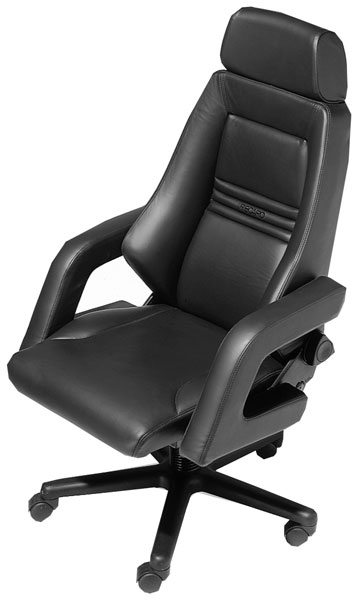
That isn't to say that my mother isn't also a good human being. She's funny and thoughtful, so generous, smart, sensitive, opinionated and a good listener. Her friends and my friends love her. She tolerates my dad's ugly home office chair even though it looks like it fell out of a Dilbert strip into her otherwise sophisticated home. I know any relationship, including marriage and parenthood, is one of compromise and give-and-take; both my parents manage to do that without sacrificing themselves, showing me and my siblings that it's possible. Which is, when you think about it, very cool without being hipster in the slightest.
But there are these little details about her that make her kind of hipster-cool - she's refused, in her fifties, to get frumpy, oval-shaped, or stock the fridge with I-give-up foods like creamed corn or bologna. She wears a little scarab pendant from Egypt. She once, in her youth, went to Poland with my dad, her then-boyfriend, and got too freaked out by the small-town women and their chicken-killing ways to help them murder that night's dinner, so she took her shy self inside and drank vodka with the men. When she travels, she rents convertibles. She runs art classes for kids in the summer. She once called a town councilor at his home at six in the morning to complain about a super-loud town maintenance crew. She is a badass, and a role-model, a fashion template, probably a hipster, but totally a mom. She's the coolest mom I know.
A few years ago, there was a media bubble about the idea of hipster parents: folks who had been involved in their city's music/arts/food/fashion/activism/whatever scene, and who had maybe met and married in a punk-rock/delightfully twee wedding ceremony. Now they were on the verge of parenthood, and wanted all the accoutrements of coolness in size 0-6 months. They were obliged with family-friendly eateries that specialized in both small children and 100-mile-diet fare, with tiny black onesies, and by kid's music that wasn't totally cloying and terrible. The hipster parents got their druthers, and a mini-industry was created to serve the parents who, along with reading and potty-training, introduced their offspring to chicken vindaloo and accessorizing.
My own parents have remained pretty cool throughout their children's lives, although my dad has had a series of weird haircuts that escalated in badness until he just shaved his head. A lot of childhood is just unbelievably dorky: selling cookies door-to-door, fleece jackets, french-braids, piano lessons, dolls, orthodontia, playing "the floor is lava," and throwing up in the car on long trips. Even the most Williamsburg of parents don't get to escape those unhip years. They morph into "cool parents" who will wax poetic about Band of Horses one minute and then hold a tissue up to a drippy nose with instructions to "blow" the next.
My mom is, of course, "a cool mom": she invites my friends to the cottage and drinks wine with them once they arrive. My dad is a cool dad: he gets us sushi and insists on buying Viva Puffs long after his kids will admit to craving them. They're both very good at being parents. They're encouraging without being pushy, have unshakable faith in their family, and love us regardless of how many times we've screwed up and started land wars over control of the television.
But my parents, especially my mom, are also cool sort of empirically. My mom wears these headscarves which she claims are to cover up her haircuts, but end up making her look all bohemian and beachy. She listens to music, introducing her kids to bands like Midlake, and is hip to young artists like Basia Bulat. She's a fantastic artist, which she would dismiss as malarkey except that it's true: examples range from gorgeous quilts to hand-painted cribs, and her design eye is unimpeachable. These are all qualities highly prized by the hipsters of my generation: arts, music, fashion. If I met her as a peer, I would be intimidated by her. Since she's my mom, I just steal her ideas.
That isn't to say that my mother isn't also a good human being. She's funny and thoughtful, so generous, smart, sensitive, opinionated and a good listener. Her friends and my friends love her. She tolerates my dad's ugly home office chair even though it looks like it fell out of a Dilbert strip into her otherwise sophisticated home. I know any relationship, including marriage and parenthood, is one of compromise and give-and-take; both my parents manage to do that without sacrificing themselves, showing me and my siblings that it's possible. Which is, when you think about it, very cool without being hipster in the slightest.
But there are these little details about her that make her kind of hipster-cool - she's refused, in her fifties, to get frumpy, oval-shaped, or stock the fridge with I-give-up foods like creamed corn or bologna. She wears a little scarab pendant from Egypt. She once, in her youth, went to Poland with my dad, her then-boyfriend, and got too freaked out by the small-town women and their chicken-killing ways to help them murder that night's dinner, so she took her shy self inside and drank vodka with the men. When she travels, she rents convertibles. She runs art classes for kids in the summer. She once called a town councilor at his home at six in the morning to complain about a super-loud town maintenance crew. She is a badass, and a role-model, a fashion template, probably a hipster, but totally a mom. She's the coolest mom I know.
Saturday, September 4, 2010
Twenty-Something-Elses
The New York Times Magazine recently published an article about this so-called extended childhood/early adulthood that folks my age are apparently "suffering" from: a pathological unwillingness to move through some of the Big Life Steps that, I guess, serve to separate the men from the boys: graduation, leaving home, financial independence, marriage, and babies. I guess my demographic is clutching onto various holdovers from our angsty teenage days, in that we (okay, I) take a long time between enrollment and convocation, or we're unwilling to relinquish our parent's money, or pop the question, or pop out a kid. The question the NYTM raises: is this lengthy space between high school and "adulthood" a healthy new era full of self-discovery, or is it merely a chasm filled with self-indulgence?
I was chatting with a girlfriend tonight, and she mentioned that one of her colleagues is about to father a child. She felt that, at the age of twenty-eight, he was too young to making new lives happen. I pointed out that he had been married, and settled, and employed, for a while: he was right on track, life-cycle-wise, to becoming a dad. It felt like there's a long stretch of highway between his place in life and my own.
Progress has been made, however. I just moved back to Toronto, after a self-imposed exile/brain vacation in my hometown, and it feels like this is where I'm supposed to be. My parents' home is so comforting, but it's not where I live anymore. My life is in Toronto. My time in Stratford was sort of a sleepaway camp for the newly graduated: save money, reconnect with the family, work a forgettable job. But it wasn't like coming home, to the place where I feel most like myself.
It's not that I'm not grateful to my family for putting up with a summer's worth of messes and computer cords across the living room floor. I happen to like the people I'm related to: we're a smart, funny bunch of folks, and spending time with them was decided not a chore for me. But there was an odd disconnect with the town around me. The last time I had a Stratford summer was five years ago. I loved to binge drink and work crazily long hours at a busy eatery. This time, I was much more interested in sitting on my back porch and talking on the phone to people about kissing protocol, board meetings, and business ventures. Realizing that your family and your parents helped shape you into the person you are today, but that you also need to leave that household to find your own path, is step number one to Big Adult.
Most mid-twenties Toronto citizens have hit most of these markets in some way or another. The general trend among my pals is long-term relationships, often with the kind of cohabitation that makes the Catholic church fan itself like a distressed Southern belle. Not many of my friends are married, and only one of those young-person unions has worked for more than a couple years. Tripping into a full time job doesn't make someone an adult, especially not the type of entry-level jobs that are often a recent graduate's most likely option. Transferring your financial dependence from your parents to your bank is, at best, a lateral move. Having a child is often not the same as "deciding to have a child" in your late teens and early twenties. And so on.
The article uses the word "settle" freely: people settle down, essentially affixing themselves to a lifestyle. Settling down is a sign that one is stable: reliably at the same address for more than a few months, able to pay off a bill, feed a child, procure a job. Maybe the author also meant the calming-down after the headiness of adolescence. But settling also has negative connotations: settling means "accepting despite a complete lack of satisfaction." Maybe my cohort's unwillingness to march into adulthood, to hit all our markers, is the result of not wanting to settle while we settle down. Instead, we're looking for alternatives, creating new and different milestones for ourselves. Instead of "getting married," maybe we're having happier shorter-term relationships. As we move out of our parent's houses, we're moving in with self-selected families made of up friends and relatives. We're taking control of our reproductive destinies by using birth control and destigmatizing terminations, thus acknowledging that children aren't, for everyone, the ideal project to take on once we graduate at the ripe old age of twenty-two.
And we're less likely to take shit from those who poo-poo our recalcitrance about the whole process. Is this new pause after teenagerhood and before parenthood a generation balking at a culture that's raised smart, hard-working kids and then shunted them into a world that seems like a lot of drudgery for not a lot of joy? Or is this a genuinely new step in the process of becoming an adult? That remains to be seen. But the hand-wringing, the insistence that my generation is screwing it up, needs to stop. We may not be adults, but we're not idiots.
I was chatting with a girlfriend tonight, and she mentioned that one of her colleagues is about to father a child. She felt that, at the age of twenty-eight, he was too young to making new lives happen. I pointed out that he had been married, and settled, and employed, for a while: he was right on track, life-cycle-wise, to becoming a dad. It felt like there's a long stretch of highway between his place in life and my own.
Progress has been made, however. I just moved back to Toronto, after a self-imposed exile/brain vacation in my hometown, and it feels like this is where I'm supposed to be. My parents' home is so comforting, but it's not where I live anymore. My life is in Toronto. My time in Stratford was sort of a sleepaway camp for the newly graduated: save money, reconnect with the family, work a forgettable job. But it wasn't like coming home, to the place where I feel most like myself.
It's not that I'm not grateful to my family for putting up with a summer's worth of messes and computer cords across the living room floor. I happen to like the people I'm related to: we're a smart, funny bunch of folks, and spending time with them was decided not a chore for me. But there was an odd disconnect with the town around me. The last time I had a Stratford summer was five years ago. I loved to binge drink and work crazily long hours at a busy eatery. This time, I was much more interested in sitting on my back porch and talking on the phone to people about kissing protocol, board meetings, and business ventures. Realizing that your family and your parents helped shape you into the person you are today, but that you also need to leave that household to find your own path, is step number one to Big Adult.
Most mid-twenties Toronto citizens have hit most of these markets in some way or another. The general trend among my pals is long-term relationships, often with the kind of cohabitation that makes the Catholic church fan itself like a distressed Southern belle. Not many of my friends are married, and only one of those young-person unions has worked for more than a couple years. Tripping into a full time job doesn't make someone an adult, especially not the type of entry-level jobs that are often a recent graduate's most likely option. Transferring your financial dependence from your parents to your bank is, at best, a lateral move. Having a child is often not the same as "deciding to have a child" in your late teens and early twenties. And so on.
The article uses the word "settle" freely: people settle down, essentially affixing themselves to a lifestyle. Settling down is a sign that one is stable: reliably at the same address for more than a few months, able to pay off a bill, feed a child, procure a job. Maybe the author also meant the calming-down after the headiness of adolescence. But settling also has negative connotations: settling means "accepting despite a complete lack of satisfaction." Maybe my cohort's unwillingness to march into adulthood, to hit all our markers, is the result of not wanting to settle while we settle down. Instead, we're looking for alternatives, creating new and different milestones for ourselves. Instead of "getting married," maybe we're having happier shorter-term relationships. As we move out of our parent's houses, we're moving in with self-selected families made of up friends and relatives. We're taking control of our reproductive destinies by using birth control and destigmatizing terminations, thus acknowledging that children aren't, for everyone, the ideal project to take on once we graduate at the ripe old age of twenty-two.
And we're less likely to take shit from those who poo-poo our recalcitrance about the whole process. Is this new pause after teenagerhood and before parenthood a generation balking at a culture that's raised smart, hard-working kids and then shunted them into a world that seems like a lot of drudgery for not a lot of joy? Or is this a genuinely new step in the process of becoming an adult? That remains to be seen. But the hand-wringing, the insistence that my generation is screwing it up, needs to stop. We may not be adults, but we're not idiots.
Monday, August 30, 2010
Gaga Order
I realize that even talking about Lady Gaga is, at this point, sort of an exercise in futility. Whatever your thoughts on the Princess of Weird, she's proven herself to be a dominant part of the current pop landscape. She's a spectacle, in every sense of the word. The costumes! The hairstyles! The stage shows! The music videos! The magazine interviews! And, oh, right: the music.
The Lady is clearly filling some sort of void in our pop culture. She's undeniably talented, but I can't be alone in thinking her personality can be grating. Her recent interview with Vanity Fair left me with a bad taste in my mouth: obsessed with her fans, she comes across as someone who has left the real world firmly behind in her quest for what analysts in the 1970s might have called "self-actualization." In her case, it comes by producing an OTT public face that has the kind of empathy that empresses have: loving her subjects en masse, but unable to identify with anyone individually.
I knew about Lady Gaga well before I had heard any of her songs, and when I finally did catch a snippet, the lyrics were about "disco sticks." It was the sort of build-up/let-down cycle that alienates people right away. I was like, this is the girl with no pants? Months later, the video for "Bad Romance" was released, and it felt like Gaga finally hit the next level of exposure. She was suddenly everywhere - she met the Queen, for god's sake; my parents know who she is - and that kind of 360-24/7 exposure is a heady thing. She often snarls at the camera; her videos all seem to have some sort of violence, imprisonment, forced performance, violation. For a pop performer, she wrestles with some pretty intense imagery. Her fans, of course, love her for it. Comparisons to Madonna abound for Gaga, but she skipped the charming and DIY phase of "Lucky Star" and went straight to the over-produced and over-exposed "Sex" iteration. The version of Madonna, in other words, that the public grew tired of and disowned for a while.
Even though he's not in her league, I tend to equate her with the other reigning princess of pop, Adam Lambert. In some ways, I think Lambert's story is timelier: inspired to audition after going to Burning Man and indulging in mushrooms, Lambert shot to fame as the glitziest contestant on the 2009 cycle of American Idol. Where others (like me!) would have been overwhelmed by that media machine, Lambert rose to the occasion, donning shoulder cages and performing the everliving daylights out of showy rock songs. He was coy about his sexuality, instead focusing on the spectacle of Idol. While he was the runner-up that season, Lambert went on to have a couple hit songs and a Rolling Stone cover, officially come out of the closet, and take his rightful place as the sort of B-list dance-music-maker that commercial radio loves.
He's much safer than Lady Gaga: his focus has always been on entertainment, whereas she seems bent on deconstructing something deeper. Her stage shows and music videos have a deadly streak to them: she's constantly showing up in outfits that evoke mutilation and pain. Lambert, as a product of the Idol universe, needs to keep things light, consumable, marketable. But they're both cut from the same cloth. Both Gaga and Lambert need desperately to be looked at, to be seen: otherwise, neither of them exist. Both have their surfaces buffed to the highest gloss. The production values on these two performers are outrageous. Lady Gaga needs the machinery of the media so much: she needs to be photographed, to be written about, to be noticed. Otherwise, she's just Stephani Germanotta, and that ain't no monster's name.
There's been a lot of dithering about where Lady Gaga can "go" from here: public nudity? Faked death onstage? Something so outlandish it'll take some sort of intergalactic genius to conceive and execute it? Who knows. My mind doesn't work like Gagarino's. Part of me sort of hopes she's boxed herself into a corner with all the pyrotechnics and glitter. Maybe the most revolutionary thing Lady Gaga could do would be release some stripped-down pop album. No makeup, no costumes, and no inane comments about her "fans." Just the music, baby.
The Lady is clearly filling some sort of void in our pop culture. She's undeniably talented, but I can't be alone in thinking her personality can be grating. Her recent interview with Vanity Fair left me with a bad taste in my mouth: obsessed with her fans, she comes across as someone who has left the real world firmly behind in her quest for what analysts in the 1970s might have called "self-actualization." In her case, it comes by producing an OTT public face that has the kind of empathy that empresses have: loving her subjects en masse, but unable to identify with anyone individually.
I knew about Lady Gaga well before I had heard any of her songs, and when I finally did catch a snippet, the lyrics were about "disco sticks." It was the sort of build-up/let-down cycle that alienates people right away. I was like, this is the girl with no pants? Months later, the video for "Bad Romance" was released, and it felt like Gaga finally hit the next level of exposure. She was suddenly everywhere - she met the Queen, for god's sake; my parents know who she is - and that kind of 360-24/7 exposure is a heady thing. She often snarls at the camera; her videos all seem to have some sort of violence, imprisonment, forced performance, violation. For a pop performer, she wrestles with some pretty intense imagery. Her fans, of course, love her for it. Comparisons to Madonna abound for Gaga, but she skipped the charming and DIY phase of "Lucky Star" and went straight to the over-produced and over-exposed "Sex" iteration. The version of Madonna, in other words, that the public grew tired of and disowned for a while.
Even though he's not in her league, I tend to equate her with the other reigning princess of pop, Adam Lambert. In some ways, I think Lambert's story is timelier: inspired to audition after going to Burning Man and indulging in mushrooms, Lambert shot to fame as the glitziest contestant on the 2009 cycle of American Idol. Where others (like me!) would have been overwhelmed by that media machine, Lambert rose to the occasion, donning shoulder cages and performing the everliving daylights out of showy rock songs. He was coy about his sexuality, instead focusing on the spectacle of Idol. While he was the runner-up that season, Lambert went on to have a couple hit songs and a Rolling Stone cover, officially come out of the closet, and take his rightful place as the sort of B-list dance-music-maker that commercial radio loves.
He's much safer than Lady Gaga: his focus has always been on entertainment, whereas she seems bent on deconstructing something deeper. Her stage shows and music videos have a deadly streak to them: she's constantly showing up in outfits that evoke mutilation and pain. Lambert, as a product of the Idol universe, needs to keep things light, consumable, marketable. But they're both cut from the same cloth. Both Gaga and Lambert need desperately to be looked at, to be seen: otherwise, neither of them exist. Both have their surfaces buffed to the highest gloss. The production values on these two performers are outrageous. Lady Gaga needs the machinery of the media so much: she needs to be photographed, to be written about, to be noticed. Otherwise, she's just Stephani Germanotta, and that ain't no monster's name.
There's been a lot of dithering about where Lady Gaga can "go" from here: public nudity? Faked death onstage? Something so outlandish it'll take some sort of intergalactic genius to conceive and execute it? Who knows. My mind doesn't work like Gagarino's. Part of me sort of hopes she's boxed herself into a corner with all the pyrotechnics and glitter. Maybe the most revolutionary thing Lady Gaga could do would be release some stripped-down pop album. No makeup, no costumes, and no inane comments about her "fans." Just the music, baby.
Subscribe to:
Comments (Atom)