After three years of not having the internet at home - what? It's possible - last month I caved and, thanks to a fancy new netbook, got the blasted internet connection hooked up again. The netbook, which I think of as "the Facebook machine," is a cute little toy that zips gleeful little circles around my previous computer, a hulking laptop produced by those idiots at Dell who think that a 12-pound machine that can melt through a fleece blanket is something I want on my lap. No, thanks.
In any case, now I spend way, way more time on the internet. Before, when I wanted to troll around and watch the latest episode of Glee, I would have to trundle down to the library (speaking of hulking monstrosities) and spend time on one of their machines. Which, truthfully, I didn't resent all that much, because it meant that internet time was set aside. It was a discrete, scheduled, monotasked part of my daily schedule. Now that I have the internet at home, however, the flaky compulsion to check my email/Facebook forty-five times a day is back with a vengeance.
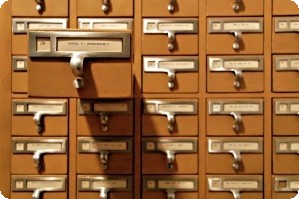
When I was in DC over the holidays, we went to a Smithsonian exhibit called "America On The Move," which was a paean to the car (and RV and camper van and truck) in all its diesel-belching glory. In 1900, there were 500,000 cars on the road; in 1920, there were 23 million of them. That is what's known as a sea-change, and the internet was ours. That kind of overwhelming, what-did-we-do-before kind of transformation has altered the way we do damn near everything: from the comfort of our own homes, we can look up information (and edit it when what we find displeases us), find a mate, shop for books and groceries, consume pornography and listen to music, and communicate. Remember card catalogues? Those long, skinny drawers full of precise and uncontextualized snippets of information about the books housed in libraries? Gone. Those cards are being used for scrap paper. They are literally garbage in the face of digital media.
Is that sad? I don't know. I think part of me misses the time before the internet, because it meant things like phone calls instead of chat windows, and musty, thin-papered reference books instead of Wikipedia. I'm wary of fetishizing the past simply for the it's-old-that's-cool factor, but there was, at one point, space for a variety of ways of existing.
I read an article in the most recent Harper's that summed up the reductive nature of technology. In order to make the machines work for us, with Facebook or standarized testing or Myspace or whatever, human beings have to design a system that is a series of pre-defined choices. You can have a huge variety of choices, but they're not infinite. Facebook asks people for things like their relationship status, and we get to choose from a list: single, in a relationship, engaged, married, it's complicated, in an open relationship, or widowed. There's nothing else. You can leave the space blank, but that doesn't really capture the nuance of someone who is sleeping with a couple people but desperately in love with one of them, or the person who doesn't want a relationship but is down with amiable companionship, or the user who is involved in a passionate and torrid love triangle where the ostensible purpose is to choose a lover, but the thrilling agony inherent in having to make the unchooseable choice is the backbone of the whole experiment. I mean, I guess "It's complicated" covers that, but it doesn't have legs.
Facebook, the article argues, is reductive: it lowers peoples' expectations for self-definition. Thanks to social networking sites, we've come to expect that we'll be asked about ourselves in very specific ways. What kinds of movies and music we like, for example, which, in a vacuum, can come to stand as a way to define yourself. "I like Radiohead and Arcade Fire, so I'm edgy, while you like Britney and Lady Gaga, so you're a minion of the corporate hegemony. I disdain you," etc. While the internet is often touted as a colorful tapestry of self-expression, sites like those actually restrict how you perceive others, and how you are perceived yourself.
Which wouldn't be a problem, but we all spend so much time on sites like Facebook and Myspace. It drains the colour out of a personality: the internet can tell you that your friend is in a relationship, but when it comes to conveying the strange, intimate tics of a person, it lacks heft. Which is fine - Facebook friends aren't really "real" friends, after all, even though it's possible to be both internet buds and real-life amigos - but we think of them that way. And the more time we spend chatting with our "friends" online, or getting to know them by browsing their profiles, the less time we're devoting to actually becoming their real-life friend.
Maybe it has to do with consumption: the internet is mainly useful for people to consume stuff, whether it's online shopping, music, porn, information, whatever. It's not so useful when we're trying to create bonds, because I believe the only way to really get to know someone is by spending time with them. We can't peruse a series of checked boxes and pre-defined categories and really come to know a person; we only think we can, because we've built ourselves an elaborate ruse that says just that.
Tuesday, January 12, 2010

Wednesday, January 6, 2010
Message In A Bottle
There's something so magical about the dive bars of my misspent youth. Serve me 50 in a bottle, throw some microbrews on tap, stuff a bearded hipster behind the bar and wrap the whole damned place in christmas lights, and we've cracked the code for the Dive Bar©. I'm a person who used to be super-obsessed with high-end fanciness in the food arena - hello, Canoe, I've missed you so - but the special disgustingness of a crappy bar is delectable in its own right.
The Toronto lowbrow bar scene is a veritable wonderland of trashy palaces. From Sneak's to the Green Room, from the Bistro to Tortilla Flats, from the Communist's Daughter in the west over to the east-side Blue Moon, the "decor" is standardized and the drinks are cheap. In the hipper places, you might get some heat lamps on the patio and some overstuffed couches to lounge on. In the real crapboxes, the seats are vinyl and the overhead lighting is flourescent. This are places where the business is drinking, and business is always good.
I love these places, because drinking is inherently a messy thing. Oh, don't let wine snobs and expensive bottles of tequila fool you - alcohol is a poison, just like we all learned in health class. Despite what folks claim about a glass of red wine being good for the heart, booze isn't all that great for your body...although, in the right quantities, it can be good for the soul.
Oh, I know. Not too much. Too much of anything is a bad thing (like how eating too many carrots will turn a gal orange, reason enough to avoid the damned things altogether). I'm struggling right now to define what "too much" alcohol means to me, and dive bars and my affinity towards the seedier side of boozing it up has definitely been both a joy to explore and a burden on the brain. As Mae West said, too much of a good thing might be wonderful, but that wonder doesn't extend to the moment when I can't lie on the floor without holding on.
Much like Oscar Wilde, I myself can abstain from everything except abstinence, which I think is the trick when it comes to both dive bars and alcohol in general. Trying to strike a balance, and then paradoxically trying to make the effort seem effortless, is one of the toughest things I'm working on right now.
Dive bars cut out the justifications, the faux-highbrow snootiness about "notes" and "character" in wine, the city snobs who deign to drink Canadian, and the bullshit. I also strive to eliminate as much bullshit as possible, and that includes lying to myself about what dives bars mean to me. I love them, because that's where they keep the booze, and I hate them for the same reason. It's tough to gunsling your way into a hole in the wall and then ask for a mint tea; the places are designed to feed people alcohol. Tough, but not impossible. I have a feeling that my money is just as capable of buying Diet Coke as it is of buying lager; I only have to put myself to the test to find out.
The Toronto lowbrow bar scene is a veritable wonderland of trashy palaces. From Sneak's to the Green Room, from the Bistro to Tortilla Flats, from the Communist's Daughter in the west over to the east-side Blue Moon, the "decor" is standardized and the drinks are cheap. In the hipper places, you might get some heat lamps on the patio and some overstuffed couches to lounge on. In the real crapboxes, the seats are vinyl and the overhead lighting is flourescent. This are places where the business is drinking, and business is always good.
I love these places, because drinking is inherently a messy thing. Oh, don't let wine snobs and expensive bottles of tequila fool you - alcohol is a poison, just like we all learned in health class. Despite what folks claim about a glass of red wine being good for the heart, booze isn't all that great for your body...although, in the right quantities, it can be good for the soul.
Oh, I know. Not too much. Too much of anything is a bad thing (like how eating too many carrots will turn a gal orange, reason enough to avoid the damned things altogether). I'm struggling right now to define what "too much" alcohol means to me, and dive bars and my affinity towards the seedier side of boozing it up has definitely been both a joy to explore and a burden on the brain. As Mae West said, too much of a good thing might be wonderful, but that wonder doesn't extend to the moment when I can't lie on the floor without holding on.
Much like Oscar Wilde, I myself can abstain from everything except abstinence, which I think is the trick when it comes to both dive bars and alcohol in general. Trying to strike a balance, and then paradoxically trying to make the effort seem effortless, is one of the toughest things I'm working on right now.
Dive bars cut out the justifications, the faux-highbrow snootiness about "notes" and "character" in wine, the city snobs who deign to drink Canadian, and the bullshit. I also strive to eliminate as much bullshit as possible, and that includes lying to myself about what dives bars mean to me. I love them, because that's where they keep the booze, and I hate them for the same reason. It's tough to gunsling your way into a hole in the wall and then ask for a mint tea; the places are designed to feed people alcohol. Tough, but not impossible. I have a feeling that my money is just as capable of buying Diet Coke as it is of buying lager; I only have to put myself to the test to find out.
Sunday, January 3, 2010
National Treasure: Book of Health Care
I just flew back from Washington DC and boy, are my arms tired! God, I love dated, hackneyed humour. Anyway, yes, I just returned from your nation's capital (mine is located in the ice-locked and demi-French 'burg of Ottawa, which is notable for its cuisine and for its proximity to Quebecois gentlemens' clubs) and I thoroughly enjoyed myself.
America just seems so full, you know? There are, like, ten times as many Americans as there are Canadians, in a space that's almost as big as Canada but with way fewer places in which you can potentially fall asleep and freeze solid. Plus, there's all that storied history! The Civil War, the birth of modern democracy, the invention of the atom bomb! Malcolm X, Henry Ford, Neil Armstrong, Shirley Temple! Hollywood, California! New York, New York! Fargo, Minnesota! It's a veritable tapestry of glorious history; you can't spit in Washington without it landing on something that memorializes something or celebrates some other damned thing.
There were some highlights. The Museum of the American Indian, far from being culturally guilt-ridden and boring, was one of the best-designed and -curated explorations of historical and contemporary Native culture that I've ever seen, especially since it encompassed the whole pan-American scene and ran its scope from the Baffin Island down to Chile. Canada was represented well, which is kind of embarrassing when we come home and look for an analogous experience on our own turf. The National Building Museum was totally beautiful, and managed to make an exhibit on parking garages kind of sexy and interesting. Plus, their gift shop was perfect.
There were also lowlights. For those of you residing in the greater Washington area, may I advise you with an expert opinion? The oyster roll at Sakana Sushi equalled 48 hours of food poisoning, including one15-hour stretch that was notable for the amount of barfing it contained (a lot! A lot of barfing!). Might want to avoid that.
But the thing about travel, even to a place just infested with culture - nay, especially to places like that - is that vacation burnout is a total bitch. My entire family caught the same cold. There was the aformentioned food poisoning. Plus, your eyes get tired from reading museum placards, the hotel air doesn't circulate, your feet hurt from doing the tourist-zombie-shuffle, and the hotel pillows are too soft. Eating in restaurants, which is a nice treat when you're at home, is kind of a drag when it's the only option on the road. Whole personal schedules and rhythms are thrown out the window in favour of seeing ever more historical venues and other such trip-necessitated agendas.
Don't misconstrue my tone: I am grateful for the trip. All I'm doing is pointing out that culture-based ventures like the one I'm recently returned from, they're exhausting. Trekking to museums isn't the same as lying on the beach, sipping mai tais and silently judging other people's bathing suit bodies. And we all know from recent experience that family time, especially the extended-remix we tend to indulge in over Christmas time, is rarely the kind of melodious enterprise depicted on TV. There's yelling.
All family vacations are susceptible to that kind of friction, though. What makes a trip to Washington frustrating for Canadians is the inevitable comparison between us and them. Canadians and Americans are both just, like, totally obsessed with America. It's hard not to feel like a weedy younger sibling: America is muscular and burnished with the radiance of her own achievements. The architecture alone practically holds your imagination for ransom, what with its harkening back to the cradle of Western thought and the larger-than-life presidential statuary.
We, on the other hand, invented the robotic space arm.
See? Sour grapes. We're just different, as a mom would point out: America is older, has more money, and is more independent. Canada is gayer, smokes more weed, and has to rely on some lady to play Red Light, Green Light with our freaking government. On the other hand, we don't have Nicolas Cage and Ben Stiller desecrating our collective patriotic memories with terrible pieces of cinematic floss.
Plus, we have free health care. That trumps free museum admission any day of the week. Man, it's good to be home.
America just seems so full, you know? There are, like, ten times as many Americans as there are Canadians, in a space that's almost as big as Canada but with way fewer places in which you can potentially fall asleep and freeze solid. Plus, there's all that storied history! The Civil War, the birth of modern democracy, the invention of the atom bomb! Malcolm X, Henry Ford, Neil Armstrong, Shirley Temple! Hollywood, California! New York, New York! Fargo, Minnesota! It's a veritable tapestry of glorious history; you can't spit in Washington without it landing on something that memorializes something or celebrates some other damned thing.
There were some highlights. The Museum of the American Indian, far from being culturally guilt-ridden and boring, was one of the best-designed and -curated explorations of historical and contemporary Native culture that I've ever seen, especially since it encompassed the whole pan-American scene and ran its scope from the Baffin Island down to Chile. Canada was represented well, which is kind of embarrassing when we come home and look for an analogous experience on our own turf. The National Building Museum was totally beautiful, and managed to make an exhibit on parking garages kind of sexy and interesting. Plus, their gift shop was perfect.
There were also lowlights. For those of you residing in the greater Washington area, may I advise you with an expert opinion? The oyster roll at Sakana Sushi equalled 48 hours of food poisoning, including one15-hour stretch that was notable for the amount of barfing it contained (a lot! A lot of barfing!). Might want to avoid that.
But the thing about travel, even to a place just infested with culture - nay, especially to places like that - is that vacation burnout is a total bitch. My entire family caught the same cold. There was the aformentioned food poisoning. Plus, your eyes get tired from reading museum placards, the hotel air doesn't circulate, your feet hurt from doing the tourist-zombie-shuffle, and the hotel pillows are too soft. Eating in restaurants, which is a nice treat when you're at home, is kind of a drag when it's the only option on the road. Whole personal schedules and rhythms are thrown out the window in favour of seeing ever more historical venues and other such trip-necessitated agendas.
Don't misconstrue my tone: I am grateful for the trip. All I'm doing is pointing out that culture-based ventures like the one I'm recently returned from, they're exhausting. Trekking to museums isn't the same as lying on the beach, sipping mai tais and silently judging other people's bathing suit bodies. And we all know from recent experience that family time, especially the extended-remix we tend to indulge in over Christmas time, is rarely the kind of melodious enterprise depicted on TV. There's yelling.
All family vacations are susceptible to that kind of friction, though. What makes a trip to Washington frustrating for Canadians is the inevitable comparison between us and them. Canadians and Americans are both just, like, totally obsessed with America. It's hard not to feel like a weedy younger sibling: America is muscular and burnished with the radiance of her own achievements. The architecture alone practically holds your imagination for ransom, what with its harkening back to the cradle of Western thought and the larger-than-life presidential statuary.
We, on the other hand, invented the robotic space arm.
See? Sour grapes. We're just different, as a mom would point out: America is older, has more money, and is more independent. Canada is gayer, smokes more weed, and has to rely on some lady to play Red Light, Green Light with our freaking government. On the other hand, we don't have Nicolas Cage and Ben Stiller desecrating our collective patriotic memories with terrible pieces of cinematic floss.
Plus, we have free health care. That trumps free museum admission any day of the week. Man, it's good to be home.
Thursday, December 31, 2009
Goal-Setting In The 21st Century
In this current incarnation, I've tried to stay away from the lazy man's blogging, which is just making a list and slapping it on the internet. Don't mistake me: I love lists. But they're not always fun to read. There are the exceptions, like Cracked, which has elevated the fine combination of dick jokes and lists to a museum-worthy art form. Blog lists are usually things like, "Reasons Jesus loves you, personally," and "Stuff I like to put on my cat" and "The top five foods that are making me fat/skinny/clinically depressed" (hint: it's probably dairy!), but those irritate me because they're usually badly written and not really meant to be consumed by the outside world. This is why God invented the journal. And the pen. And the chance to be moody, alone, in private.
With that in mind, let's turn to the topic of New Year's resolutions. A perennial favourite among people who feel guilty and/or like a failure, the resolution can be a powerful way to motivate you into losing those last few pounds or trying new foods. It can also act as a terrible depressant when, in February, you realize you've been mired on the couch since January third and are covered in an orange and carcinogenic drift of Cheeto crumbs. I found a list of resolutions from 1996, when I was, like, thirteen years old, that resolved to "not act so snarky" and "lose ten pounds," which: holy shit, and also: something never change.
This year, I want to try something a little different. Resolutions are all about attempts, trying to strive for some more perfect version of yourself. Lose ten pounds, quit smoking, spent more time with your wife, ditch the lousy boyfriend, write a novel, and the ever-popular go to the gym. It isn't about accepting the person you are; it's about rejecting what you see in the mirror in favour of creating, tailor-made, the future self.
I can tell you with great certainty and experience that being ten pounds lighter (or heavier, for all you dudes who want to bulk up) won't make you a more satisfied person. If you're used to a gym-induced endorphin rush, then yeah, maybe weight loss will be a corollary effect to all that awesome dancing or weight lifting you're doing, but seriously: losing weight through January isn't going to fix it, whatever it is. That same priniciple can be applied to almost every New Year's resolution. The end result (upholding the resolutions) is way less dramatic than the process. On the other hand, having resolutions in the first place never acknowledges that there is a process, and that change is hard work. We're supposed to wake up on January first, yawn cinematically, and start being Father Of The Year.
Apparently, according to my mother (after a particularly effective harangue re: sleeping until noon), it takes about three weeks to create a new habit. I'm not sure I totally believe that, but it seems attractive in January. That's the time of year when everything seems frozen solid - habits, the sidewalk, your love life - and creating a gym-going ray of sunshine could be only 21 days away! But how often does that really happen? Because I can think of about two things in the past five years that happened as a direct result of doing them consistently for three weeks. Getting trim and slim was't one of them.
I think this year, if I go to the gym, it won't be because I said I would feel bad if I didn't; it'll be because I'll feel good if I do. Same with things like giving up drinking and not hemorrhaging money like a goddamned burst artery: better if I don't, not bad if I slip up. I can be a bit (okay, hugely) neurotic and perfectionistic, so trying this little mental exercise could be really beneficial.
I mean, of course I'm still going to make the damned list. I'd be making a list anyway, regardless of whether or not I wrote any of it down. Will I post it on the internet? Nope. This sucker is purely for me. I'll spill the beans on topics like how often I flirt with babies and what kind of pets I like (more than you'd think and none, respectively), but my New Year's resolutions are for my eyes only.
With that in mind, let's turn to the topic of New Year's resolutions. A perennial favourite among people who feel guilty and/or like a failure, the resolution can be a powerful way to motivate you into losing those last few pounds or trying new foods. It can also act as a terrible depressant when, in February, you realize you've been mired on the couch since January third and are covered in an orange and carcinogenic drift of Cheeto crumbs. I found a list of resolutions from 1996, when I was, like, thirteen years old, that resolved to "not act so snarky" and "lose ten pounds," which: holy shit, and also: something never change.
This year, I want to try something a little different. Resolutions are all about attempts, trying to strive for some more perfect version of yourself. Lose ten pounds, quit smoking, spent more time with your wife, ditch the lousy boyfriend, write a novel, and the ever-popular go to the gym. It isn't about accepting the person you are; it's about rejecting what you see in the mirror in favour of creating, tailor-made, the future self.
I can tell you with great certainty and experience that being ten pounds lighter (or heavier, for all you dudes who want to bulk up) won't make you a more satisfied person. If you're used to a gym-induced endorphin rush, then yeah, maybe weight loss will be a corollary effect to all that awesome dancing or weight lifting you're doing, but seriously: losing weight through January isn't going to fix it, whatever it is. That same priniciple can be applied to almost every New Year's resolution. The end result (upholding the resolutions) is way less dramatic than the process. On the other hand, having resolutions in the first place never acknowledges that there is a process, and that change is hard work. We're supposed to wake up on January first, yawn cinematically, and start being Father Of The Year.
Apparently, according to my mother (after a particularly effective harangue re: sleeping until noon), it takes about three weeks to create a new habit. I'm not sure I totally believe that, but it seems attractive in January. That's the time of year when everything seems frozen solid - habits, the sidewalk, your love life - and creating a gym-going ray of sunshine could be only 21 days away! But how often does that really happen? Because I can think of about two things in the past five years that happened as a direct result of doing them consistently for three weeks. Getting trim and slim was't one of them.
I think this year, if I go to the gym, it won't be because I said I would feel bad if I didn't; it'll be because I'll feel good if I do. Same with things like giving up drinking and not hemorrhaging money like a goddamned burst artery: better if I don't, not bad if I slip up. I can be a bit (okay, hugely) neurotic and perfectionistic, so trying this little mental exercise could be really beneficial.
I mean, of course I'm still going to make the damned list. I'd be making a list anyway, regardless of whether or not I wrote any of it down. Will I post it on the internet? Nope. This sucker is purely for me. I'll spill the beans on topics like how often I flirt with babies and what kind of pets I like (more than you'd think and none, respectively), but my New Year's resolutions are for my eyes only.
Sunday, December 27, 2009
Sing A Song For Love
Aside from all the heartbreak, destruction, life-shattering and tears they cause, breakups suck because they ruin all the songs you've liked for the duration of the time spent with your former flame. You're forced to choose between completely overhauling your iTunes library, or surprise weeping as your suddenly sentient and sadistic mp3 player decides to hit you with "Nothing Compares 2 U" while you're riding the escalator at the mall.
I remember right after my first real holy-shit breakup, which ranks as a complete bag of garbage in the house of my life, that "Hey There Delilah" song was suddenly everywhere. If you've never heard it, it's this earnest little tune about a couple who decide to tough out long-distance. The dude is strumming his acoustic love. It's a little saccharin but generally pretty sweet. Unless, of course, you've been recently dumped, in which case the Plain White Ts (alternate name: the Plain White One-Hit Wonders) are both fucking mind readers and also out to get you.
I was thinking about this, because, like a lot of people who had relationship drama in the mid-2000s, the Imogen Heap song "Hide and Seek" is sort of an emotional anthem. It's a gorgeous song all on its own, but coupled with the heightened state falling in and out of love can produce in a person, it became this ur-song in the pantheon. "Hide and Seek" could be about anything - I sometimes picture a natural disaster in the vein that Roland Emmerich would produce - but when you're dealing with cheating and dumping, like I was, the song is about you and your situation. Duh.
Lately, I've been listening to a bit more Imogen Heap/Frou Frou, and every time it comes on, I'm reminded of both the bad feelings and the road out of Crazy Breakup Junction into Ifeelalittlebetterville. The songs have changed, man! It's sonic evolution! Damn, I sound like I'm about four tokes away from a van ride to Burning Man. But instead of just deleting the shit out of those songs, I took them back. That kind of self-work isn't always successful; I had to relinquish Silverchair's "Straight Lines," which is a decent song that was 100% attached to the ex-boyfriend. But for the most part, music's healing properties can work wonders on single-fied dude or dudette in the throes of a breakup-related meltdown.
I think it's fascinating that you can take a painful song and turn it into a song about empowerment. Transforming a traumatic musical interlude - and yeah, there is such a thing, and some people will never be able to listen to the Muppet Show theme song without bursting into tears - into a personal narrative about triumphing over a terrible time in a person's life and becoming a stronger, more balanced person who hasn't traded her brain for a three-and-a-half minute-long chunk of radio time is awesome. Regardless of what they are, I dare you to make a playlist of the songs that were "ruined" by a breakup or an ex and see how you feel now when you listen to them. I bet you feel a small sense of wonder, as if you can barely remember the person you were when you decided that they were ruined in the first place.
I remember right after my first real holy-shit breakup, which ranks as a complete bag of garbage in the house of my life, that "Hey There Delilah" song was suddenly everywhere. If you've never heard it, it's this earnest little tune about a couple who decide to tough out long-distance. The dude is strumming his acoustic love. It's a little saccharin but generally pretty sweet. Unless, of course, you've been recently dumped, in which case the Plain White Ts (alternate name: the Plain White One-Hit Wonders) are both fucking mind readers and also out to get you.
I was thinking about this, because, like a lot of people who had relationship drama in the mid-2000s, the Imogen Heap song "Hide and Seek" is sort of an emotional anthem. It's a gorgeous song all on its own, but coupled with the heightened state falling in and out of love can produce in a person, it became this ur-song in the pantheon. "Hide and Seek" could be about anything - I sometimes picture a natural disaster in the vein that Roland Emmerich would produce - but when you're dealing with cheating and dumping, like I was, the song is about you and your situation. Duh.
Lately, I've been listening to a bit more Imogen Heap/Frou Frou, and every time it comes on, I'm reminded of both the bad feelings and the road out of Crazy Breakup Junction into Ifeelalittlebetterville. The songs have changed, man! It's sonic evolution! Damn, I sound like I'm about four tokes away from a van ride to Burning Man. But instead of just deleting the shit out of those songs, I took them back. That kind of self-work isn't always successful; I had to relinquish Silverchair's "Straight Lines," which is a decent song that was 100% attached to the ex-boyfriend. But for the most part, music's healing properties can work wonders on single-fied dude or dudette in the throes of a breakup-related meltdown.
I think it's fascinating that you can take a painful song and turn it into a song about empowerment. Transforming a traumatic musical interlude - and yeah, there is such a thing, and some people will never be able to listen to the Muppet Show theme song without bursting into tears - into a personal narrative about triumphing over a terrible time in a person's life and becoming a stronger, more balanced person who hasn't traded her brain for a three-and-a-half minute-long chunk of radio time is awesome. Regardless of what they are, I dare you to make a playlist of the songs that were "ruined" by a breakup or an ex and see how you feel now when you listen to them. I bet you feel a small sense of wonder, as if you can barely remember the person you were when you decided that they were ruined in the first place.
Wednesday, December 23, 2009
The Xmas Spirit
Now is the time of year when people take to sighing and saying things like, "I'm so glad there's snow," as though snow is what makes or breaks the Christmas time. Or mock-pulling out their hair and hissing, "I haven't finished my Christmas shopping," because we all know that gifts are the most important part of the festive season. Or sardonically lifting their shopping bags and saying, "I just don't have enough time," which is true, especially since people waste so much time kvetching about their lack of minutes in a day.
I am not pro-Christmas. I'm not anti-festivities, but the whole brouhaha over the red-green-and-white is kind of garish and weird. I had a talk with my mom the other day, who was hurt that, if she didn't put up Christmas decorations (and she does an amazing, tasteful job of decorating every year), that I wouldn't be moved to, out of tradition/holiday joy. And I wouldn't. I like certain aspects of the holiday season - the family, the meals together, the winter wonderland walks, the visits with old friends - but there's a lot of stuff about this time of year that really grates.
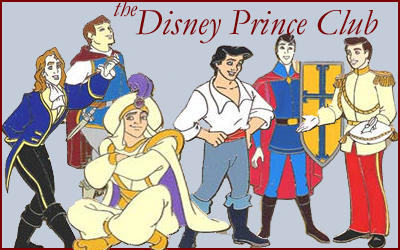
For example. I love my family and my folks are amazing people, but coming home for weeks at a time is a huge disruption on my schedule. "Oh, boo hoo," I can hear you saying. "Poor little match girl, with the schedule-distruption and the crying. Waaaah." Look, I'm not saying that coping with a different dinnertime makes me some kind of hero - I'll leave the heroing up to Disney princes, thanks - but it is stressful. Having people cook for me takes away the control I had over the food I eat, and sorry, but that is rough times. I've lived on my own for the past three years, and I've come to be, well, sort of a picky eater. This extends to dinnertime, which often coincides with the news. My parents' place? Six o'clock. Mine? 11:30. See? Different. And we can all agree that change is hard.
This is a depressing time of year. Hello, the winter solstice is, like, four days before Christmas. These are the shortest, coldest, windiest days of the year, and while whoever thought to plunk a festival down in the middle of the short, windy, cold days and make it about giving and the birth of the Saviour probably deserves at least a piece of Toblerone, it doesn't detract from the fact that, after the whole Santa season, we're still mired in that cold, windy, short-dayed season.
I guess part of it is the whole ridiculous commercialism of it all. I'm pretty isolated from the real burning core of it, since I don't have kids or shop in malls all that often, but it seems like every holiday that gets its own seasonal crap at Shopper's Drug Mart has a marked tendency to annoy the living shit out of me. Valentine's Day? You bet. Hallowe'en? Yup. Saint Patrick's Day? Oh yeah. Christmas is the big offender, though, since its "season" extends from early November until the last of the discounted chocolate Santas are sold in January.
My favourite holidays are the ones that are about family and getting together. Simcoe Day is an especially good one, since it combines the summer, family, and the joys of taking a day off work because the goverment tell you to. That rules. Plus, Popsicles are awesome. Plus, there are very few commercial takes on things like Canadian Thanksgiving - sure, maybe a harvest wreath or a pumpkin ale, but that's so minor compared to the H-bomb that is Christmas decorations. Maybe it's because this is ostensibly a religious holiday, but it certainly doesn't feel like a godly time of year. I associate religion with times of reflection - faith, the nature of the world in which we live, piety, etc. The Venn diagram overlap of "religious days" and "days when it's acceptable to cut a bitch for a Tickle Me Elmo" shouldn't be as large.
But that's the world we live in. I guess I need to come to terms with the fact that I will always be slightly freaked out by Christmas, and learn how to play along because my family and friends generally do. The nature of the solstice, by far the more understandable holiday in December, is about renewal and cyclical rebirth: the days can only get better/longer/warmer from here. Christmas is the same. The days can only be what we make of them - more about family, more about friends, more about growing into adult relationships with both. So, Merry Christmas and all that, and here's hoping the holiday season is all that you want it to be.
I am not pro-Christmas. I'm not anti-festivities, but the whole brouhaha over the red-green-and-white is kind of garish and weird. I had a talk with my mom the other day, who was hurt that, if she didn't put up Christmas decorations (and she does an amazing, tasteful job of decorating every year), that I wouldn't be moved to, out of tradition/holiday joy. And I wouldn't. I like certain aspects of the holiday season - the family, the meals together, the winter wonderland walks, the visits with old friends - but there's a lot of stuff about this time of year that really grates.
For example. I love my family and my folks are amazing people, but coming home for weeks at a time is a huge disruption on my schedule. "Oh, boo hoo," I can hear you saying. "Poor little match girl, with the schedule-distruption and the crying. Waaaah." Look, I'm not saying that coping with a different dinnertime makes me some kind of hero - I'll leave the heroing up to Disney princes, thanks - but it is stressful. Having people cook for me takes away the control I had over the food I eat, and sorry, but that is rough times. I've lived on my own for the past three years, and I've come to be, well, sort of a picky eater. This extends to dinnertime, which often coincides with the news. My parents' place? Six o'clock. Mine? 11:30. See? Different. And we can all agree that change is hard.
This is a depressing time of year. Hello, the winter solstice is, like, four days before Christmas. These are the shortest, coldest, windiest days of the year, and while whoever thought to plunk a festival down in the middle of the short, windy, cold days and make it about giving and the birth of the Saviour probably deserves at least a piece of Toblerone, it doesn't detract from the fact that, after the whole Santa season, we're still mired in that cold, windy, short-dayed season.
I guess part of it is the whole ridiculous commercialism of it all. I'm pretty isolated from the real burning core of it, since I don't have kids or shop in malls all that often, but it seems like every holiday that gets its own seasonal crap at Shopper's Drug Mart has a marked tendency to annoy the living shit out of me. Valentine's Day? You bet. Hallowe'en? Yup. Saint Patrick's Day? Oh yeah. Christmas is the big offender, though, since its "season" extends from early November until the last of the discounted chocolate Santas are sold in January.
My favourite holidays are the ones that are about family and getting together. Simcoe Day is an especially good one, since it combines the summer, family, and the joys of taking a day off work because the goverment tell you to. That rules. Plus, Popsicles are awesome. Plus, there are very few commercial takes on things like Canadian Thanksgiving - sure, maybe a harvest wreath or a pumpkin ale, but that's so minor compared to the H-bomb that is Christmas decorations. Maybe it's because this is ostensibly a religious holiday, but it certainly doesn't feel like a godly time of year. I associate religion with times of reflection - faith, the nature of the world in which we live, piety, etc. The Venn diagram overlap of "religious days" and "days when it's acceptable to cut a bitch for a Tickle Me Elmo" shouldn't be as large.
But that's the world we live in. I guess I need to come to terms with the fact that I will always be slightly freaked out by Christmas, and learn how to play along because my family and friends generally do. The nature of the solstice, by far the more understandable holiday in December, is about renewal and cyclical rebirth: the days can only get better/longer/warmer from here. Christmas is the same. The days can only be what we make of them - more about family, more about friends, more about growing into adult relationships with both. So, Merry Christmas and all that, and here's hoping the holiday season is all that you want it to be.
Sunday, December 20, 2009
Little Kids, Big Babies
There's a definite interest in my house recently in the concept of childhood. Not children - I'm no pederast, dude - but the ways in which our early lives shape the people we become. I was reading the recent New York Times Magazine profile of my former future boyfriend Spike Jonze (he is seriously so cute, still, and was ridiculously easy to love in Three Kings), and what struck me was the the importance Spike and his team placed on replicating the sweaty, blurry, tearful and unsettling parts of being a kid.
It's not like I had a horror-show childhood - I hit all my developmental targets right on cue, I had loving (if slightly perplexed) parents, and was invited by several of the fifty-odd Jennifers I went to elementary school with to join in on book clubs and birthday parties. On the other hand, I remember almost none of this. Childhood, to me, is represented by a series of out-of-context moments: ice skating at the Calgary Olympic Stadium, for instance, or playing an uncoordinated fifth grade version of lacrosse. It's totally possible that most of my memories are dreams I had. Who knows? I remember the overwhelming flavour of being a kid was one of waiting: waiting to get older, waiting for adults to give permission/rides/meals/discipline, waiting for privacy, waiting for my taste in music to improve, waiting for the all-important control of the car radio. And then when I got control, privacy, and a Totally Hair Barbie, I promptly forgot that I had ever wanted for them in the first place.
So. When S.Jonze says he wants to replicate the experience of being nine years old on the big screen, I can only shrug my shoulders in bemusement. I'm not the only one who can only guess at the experience of being a child, because a couple of my pals will cop to the very same failing. I guess we're not destined for greatness, however, since total childhood recall seems like a requirement for any creative type out there. Coming to terms with, and representing, your own personal kunstlerroman, seems to be priority #1 for any budding auteurs out there, second only to the stop-motion music video. Artists, especially writers, are constantly plumbing the depths of their terrible/riotous/possibly imaginary childhoods for best-selling memoirs and slightly fictionalized stories. Even Maurice Sendak, the author behind the admittedly moving and gorgeous source material Where the Wild Things Are for the movie that scored Jonze that cover story in the first place, admitted that his children's fable was heavily influenced by his own childhood.
This type of magical thinking will usually earn the pontificator a big fat Bronx cheer from yours truly, but I like Sendak and Jonze and so I'll give 'em a pass. I'll defend my childhood-non-remembering honour by positing that childhood comes in a variety of forms, and in some ways, I'm still a little girl. I'm still afraid of spiders and the dark. I still hate green soups and sandwich crusts. I'm still shy around new people and not exceptionally great with change. I still revel in goofy things like great names or creepy fancy dolls. I'm not alone in my recalcitrance: I have friends who are into their parents' music or pirate ships. I have pals who basically live in treehouses. Hell, I still refer to people as "pal," a term last seen in an Archie comic as Reggie was threatening Archie with a sock in the jaw.
The fact that my vocabulary is equally influenced by Riverdale's best-loved playboy and David Foster Wallace means that I don't have to rely on my childhood recollections (and lack of same) as the primary focusing lens in the creative process, and I wish that media sources would lay off the assumption that the Peter Pan complex somehow engenders a striking creative vision. It's possible to be creative and still get over your childhood. I believe in the power of the creative adult to speak the language of, you know, grown-ups.
It's not like I had a horror-show childhood - I hit all my developmental targets right on cue, I had loving (if slightly perplexed) parents, and was invited by several of the fifty-odd Jennifers I went to elementary school with to join in on book clubs and birthday parties. On the other hand, I remember almost none of this. Childhood, to me, is represented by a series of out-of-context moments: ice skating at the Calgary Olympic Stadium, for instance, or playing an uncoordinated fifth grade version of lacrosse. It's totally possible that most of my memories are dreams I had. Who knows? I remember the overwhelming flavour of being a kid was one of waiting: waiting to get older, waiting for adults to give permission/rides/meals/discipline, waiting for privacy, waiting for my taste in music to improve, waiting for the all-important control of the car radio. And then when I got control, privacy, and a Totally Hair Barbie, I promptly forgot that I had ever wanted for them in the first place.
So. When S.Jonze says he wants to replicate the experience of being nine years old on the big screen, I can only shrug my shoulders in bemusement. I'm not the only one who can only guess at the experience of being a child, because a couple of my pals will cop to the very same failing. I guess we're not destined for greatness, however, since total childhood recall seems like a requirement for any creative type out there. Coming to terms with, and representing, your own personal kunstlerroman, seems to be priority #1 for any budding auteurs out there, second only to the stop-motion music video. Artists, especially writers, are constantly plumbing the depths of their terrible/riotous/possibly imaginary childhoods for best-selling memoirs and slightly fictionalized stories. Even Maurice Sendak, the author behind the admittedly moving and gorgeous source material Where the Wild Things Are for the movie that scored Jonze that cover story in the first place, admitted that his children's fable was heavily influenced by his own childhood.
This type of magical thinking will usually earn the pontificator a big fat Bronx cheer from yours truly, but I like Sendak and Jonze and so I'll give 'em a pass. I'll defend my childhood-non-remembering honour by positing that childhood comes in a variety of forms, and in some ways, I'm still a little girl. I'm still afraid of spiders and the dark. I still hate green soups and sandwich crusts. I'm still shy around new people and not exceptionally great with change. I still revel in goofy things like great names or creepy fancy dolls. I'm not alone in my recalcitrance: I have friends who are into their parents' music or pirate ships. I have pals who basically live in treehouses. Hell, I still refer to people as "pal," a term last seen in an Archie comic as Reggie was threatening Archie with a sock in the jaw.
The fact that my vocabulary is equally influenced by Riverdale's best-loved playboy and David Foster Wallace means that I don't have to rely on my childhood recollections (and lack of same) as the primary focusing lens in the creative process, and I wish that media sources would lay off the assumption that the Peter Pan complex somehow engenders a striking creative vision. It's possible to be creative and still get over your childhood. I believe in the power of the creative adult to speak the language of, you know, grown-ups.
Subscribe to:
Posts (Atom)